


On November 12, Terawatt Infrastructure announced four new fleet charging depots in South San Francisco, Nashville, Miami and Dallas, with a combined capacity of approximately 22 MW. According to the announcement, Terawatt handled site development and construction—permits, utility connections—and will manage ongoing operations and maintenance. The Miami and Dallas sites are still expected to open this quarter, so not all four are fully operational today. Read Terawatt’s announcement.
The announcement illustrates a decision more fleet operators are facing. A company can build charging infrastructure at its own depot, or use a partner that develops and runs a dedicated site. Both approaches can support electrification. They place different demands on the operator’s time, capital and day-to-day responsibilities.
When Does Building Charging at Your Own Depot Make Sense?
For fleets that already own or control a suitable site, building on-site keeps charging close to the vehicles’ normal parking, loading and maintenance routines. The operator can design charging bays around its own routes and departure times—and that control matters when schedules are tight.
The same control comes with project responsibility. The fleet team must coordinate site design, electrical work, equipment selection, installation and ongoing support, whether it manages those tasks directly or contracts them out. Available grid capacity and utility connection timelines can have a significant effect on when charging is actually available. An existing depot is an advantage only if it can accommodate the charging operation the fleet needs: space, safe electrical headroom and room to grow all need to be assessed before committing.
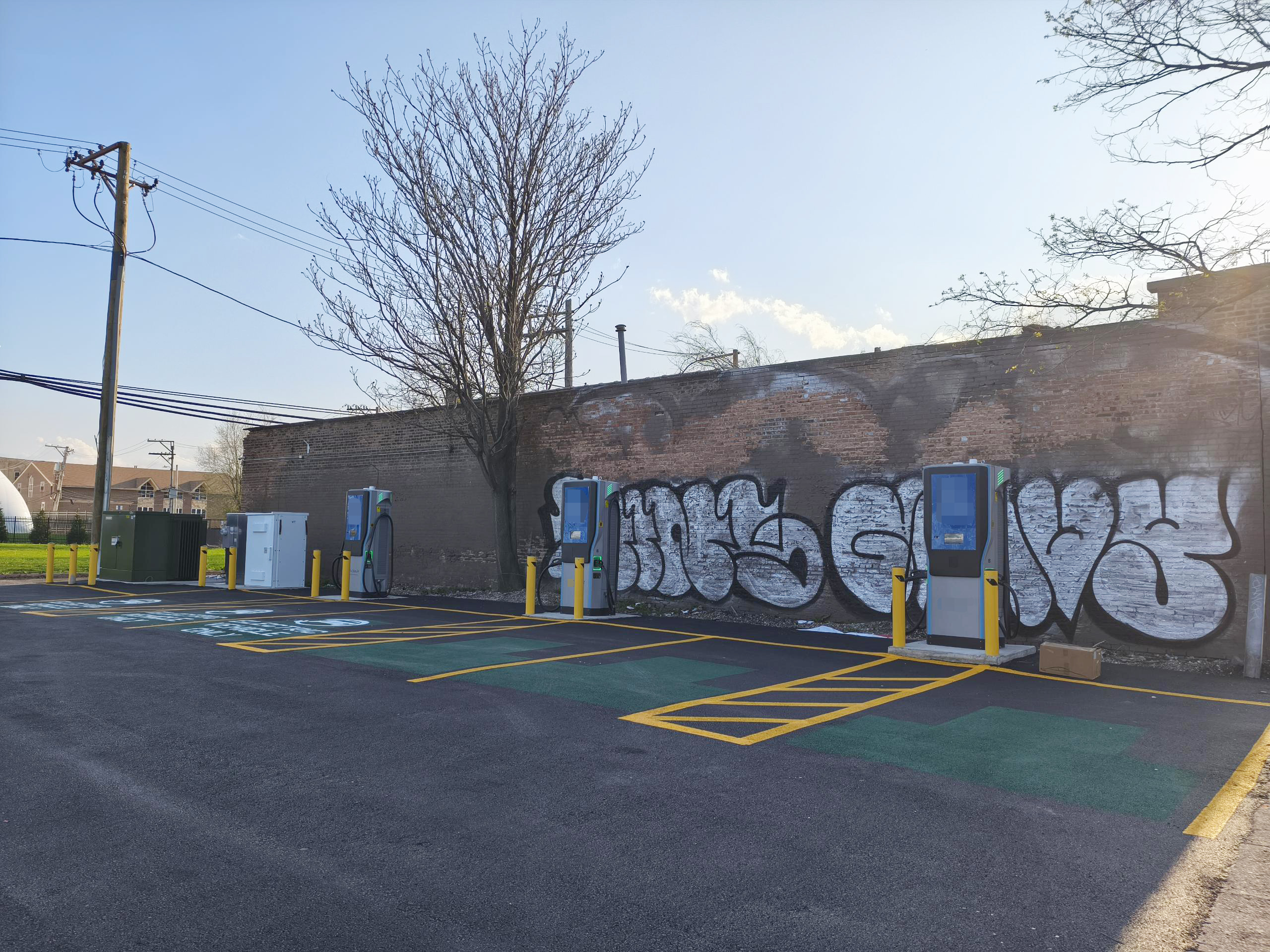
What Does a Charging Partner Take On?
A charging partner differs from a contractor in one important way: the partner owns or controls the site. That means a fleet without a suitable depot—or one entering a new operating territory—can get access to purpose-built charging infrastructure without securing land, managing a construction project or hiring in-house expertise on utility connections. For fleets that have struggled with long grid connection timelines, a partner that has already secured supply capacity at a ready site can remove a significant bottleneck.
What the partner does not remove is the need to review commercial terms carefully. Operators should understand who controls access to charging bays, how capacity is reserved between fleets, what happens when equipment is unavailable and which party handles a service interruption. Pricing, contract length and provisions for fleet growth affect whether the arrangement works long term. Terawatt’s announcement does not disclose the terms of individual fleet contracts, so these remain questions to work through directly with any prospective partner.
Comparing the Two Against the Operating Schedule
The starting point is the work the vehicles must perform. Where do they finish their shifts? How long can they remain at a charger? When must they leave? A charging site that looks convenient on a map may add travel time or require drivers to move vehicles when they and depot staff are occupied with other tasks.
Compare realistic project timelines alongside the operating fit. An on-site installation may suit an established depot and a planned replacement cycle well. A partner-operated site may offer a faster route where securing land, completing electrical work or running charging operations in-house would absorb considerable internal resource. Neither option removes the need to confirm that available charging capacity actually fits the vehicles and their schedules. The points that matter most in any comparison: where charging sits relative to daily routes, when capacity will genuinely be available, what the total expected cost is, who is accountable for equipment uptime, and how additional vehicles can be added later.
Equipment Still Has to Suit the Vehicles and Site
The delivery model determines who buys and operates the chargers, but the equipment still has to suit the vehicles and the site. Whether an operator is building its own depot or working with a charging partner, the checks are the same: vehicle compatibility, output during simultaneous sessions, communication with the charging management system, and the process for diagnosing and resolving faults.

Injet’s fleet charging solutions and Ampax DC charger range can be part of that equipment review. The right configuration depends on the vehicles, available site power and operating schedule. Injet is not involved in the Terawatt projects discussed above.
Frequently Asked Questions
What is the main difference between building charging at your own depot versus using a charging partner?
Building on your own depot keeps full operational control with your team—you design the layout, manage the project and own the infrastructure. A charging partner owns or controls the site and handles development, construction and ongoing operations. The key practical difference is site access: a partner can serve fleets that don’t have a depot in the right location, or those that want to avoid managing utility connections and construction in-house.
How do I know if my existing depot is suitable for fleet charging?
The main factors to check are available electrical capacity (what grid supply the site currently has and what the utility can provide), physical space for charging bays and electrical switchgear, safe access for vehicles and contractors, and room to expand as the fleet grows. A site may look suitable but lack the electrical headroom for more than a handful of chargers—this is worth assessing with an electrical designer before committing to a layout.
What should I look for in a fleet charging partner contract?
The most important terms to review are: who controls access to individual charging bays, how capacity is allocated if multiple fleets share the site, what service level applies when equipment is unavailable, which party is responsible for restoring service after a fault, how pricing is structured, the contract length, and what provisions exist for adding vehicles or expanding charging capacity. These terms vary significantly between operators.
Does charger power rating determine how quickly my fleet can charge?
Not on its own. The energy a vehicle receives depends on the charger’s output, the vehicle’s onboard charger or battery management system, how many vehicles are charging simultaneously and how the charger manages power sharing across sessions. A high-rated charger does not guarantee fast charging if the vehicle cannot accept that power level, or if capacity is shared across multiple active sessions. Review actual simultaneous output behaviour, not just headline power ratings.
Can Injet’s Ampax chargers be used in both own-depot and partner-operated sites?
Yes. The Ampax DC charger range is used in commercial fleet depot installations. Whether the site is operated by the fleet directly or by a third party, the same equipment checks apply: vehicle compatibility, available site power, charging management system integration and maintenance arrangements. Contact the Injet team to discuss configuration for your specific site and vehicle requirements.