


A 320kW sticker on your charger doesn’t guarantee 320kW of billable energy. In my experience working with North American fleet operators and CPOs, the biggest gap in profitability isn’t electricity costs—it’s Stranded Capacity.
Traditional "All-in-One" chargers often lock power into rigid, pre-defined splits that don’t match real-world vehicle demands. If you want to maximize your Return on Investment (ROI), you must look beyond the "All-in-One" box and move toward a Distributed Charging System.
1. The "320kW Math": How Traditional Chargers Leak Revenue
The math of static power splitting is costing CPOs thousands of dollars in lost charging sessions.
Imagine a traditional 320kW dual-connector All-in-One charger. Most of these units use a static 50/50 split:
-
320kW / 0kW
-
160kW / 160kW
The Real-World Failure: An EV capable of accepting 240kW plugs into Connector A. Because the charger is locked at a 50/50 split, it only delivers 160kW. The driver is frustrated by slow speeds. Simultaneously, a smaller EV plugs into Connector B, needing only 80kW. The charger allocates 160kW, leaving 80kW sitting idle.
In this moment, your "320kW charger" is only delivering 240kW. You have 80kW of Stranded Capacity—power you’ve paid for in grid fees and hardware costs but cannot sell. During peak hours, this inefficiency slashes your turnover rate and kills your ROI.
2. Distributed Architecture: The "Power Pool" Solution
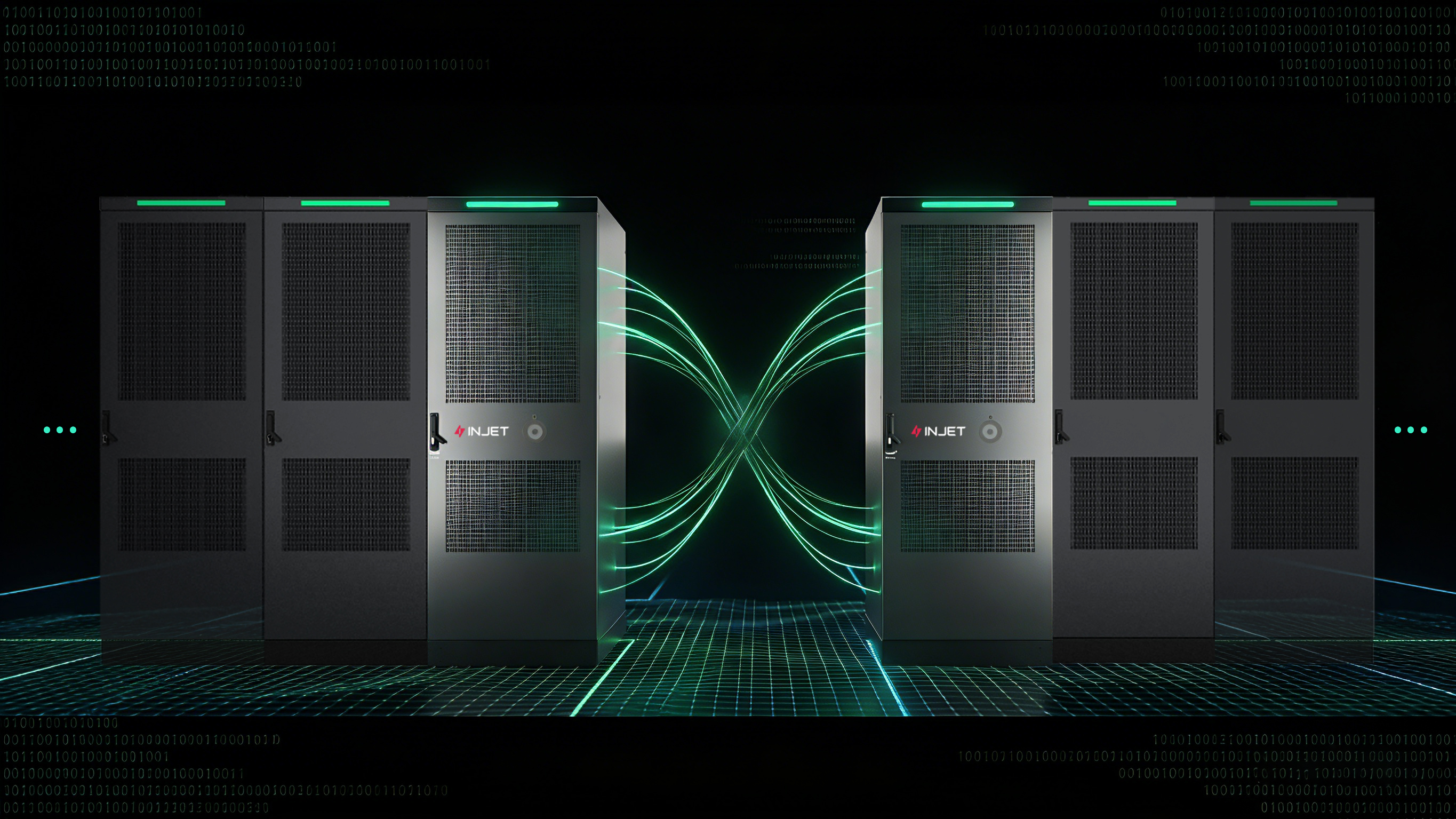
A distributed EV charger setup solves this by decoupling power conversion from the user interface. The system consists of two primary components:
-
The Power Cabinet: A centralized hub housing the power modules.
-
Satellite Dispensers: Slim, flexible pedestals that occupy a much smaller footprint at the parking stall.
Unlike All-in-One units, the Power Cabinet acts as a "shared energy pool." It directs the exact amount of energy required to whichever Satellite Connector needs it, based on the vehicle's real-time BMS (Battery Management System) request.
3. Granularity: Precision Power Delivery
The secret to eliminating Stranded Capacity is Granularity.
Industry-leading distributed systems offer a granularity of 30kW or 40kW (based on internal module size). Instead of massive, clunky splits, the Power Cabinet shifts power in small increments.
The Same Example, Optimized:
-
Connector A (needs 240kW): The system allocates exactly 240kW (e.g., 6 x 40kW modules).
-
Connector B (needs 80kW): The system allocates exactly 80kW (2 x 40kW modules).
Total power delivered: 320kW. Stranded Capacity: 0kW. By utilizing the full capacity of your Power Cabinet, you increase the "miles delivered per hour" across your entire site, significantly accelerating your payback period.
4. High Uptime through Satellite Isolation
For a CPO, a "Charger Down" notification is a revenue killer. Distributed systems provide a much higher level of reliability through dispenser-level isolation:
-
Independent Maintenance: Because Satellite Dispensers are separate from the main Power Cabinet, a fault in one unit does not affect the others. If Connector A is damaged, Connector B and C continue to draw power from the Cabinet.
-
Module Redundancy: Within the Power Cabinet, if a single module fails, the system automatically redistributes the load among the remaining modules. Your site stays operational, and your revenue stream stays uninterrupted.
5. Future-Proofing for NACS and NEVI Standards
As EVs move toward 800V architectures and the NACS (SAE J3400) connector becomes the North American standard, rigid power splitting is no longer a viable business strategy.
A Distributed Charging System offers:
-
Maximum Utilization: Sell every kilowatt you pay for.
-
Scalability: Add more Satellite Dispensers as your site traffic grows without replacing the main power infrastructure.
-
Compliance: Meets the high uptime requirements for NEVI (National Electric Vehicle Infrastructure) funding.
If you are planning a high-traffic charging hub or a commercial fleet depot, the math is clear: Distributed is the only way to ensure your infrastructure is as efficient as the vehicles it powers.
Stop Wasting Power. Start Scaling Your ROI.
Don’t let "Stranded Capacity" eat into your charging station’s profitability. Injet’s distributed charging architecture ensures every kilowatt is a billable kilowatt.
Get a Free ROI Analysis & Custom Quote
Frequently Asked Questions
Q1: What is "Stranded Capacity" in EV charging?
Stranded capacity occurs when a charger has available power (kW) that cannot be delivered to a vehicle due to rigid power-splitting hardware. For example, if a 320kW charger is locked in a 50/50 split, and a car only requests 80kW, the remaining 80kW on that connector sits idle and cannot be sold to another user, leading to lost revenue.
Q2: How does a Distributed Charging System improve ROI?
By using a centralized Power Cabinet with fine-grained power modules (30kW or 40kW), the system dynamically allocates exactly what each vehicle needs. This ensures 100% power utilization, allows more vehicles to be charged simultaneously, and speeds up the payback period for station operators.
Q3: Is a Distributed System more difficult to maintain than an All-in-One unit?
No, it’s actually easier. Because the Satellite Dispensers are separate from the main Power Cabinet, you can perform maintenance on one connector without shutting down the entire site. The modular redundancy inside the cabinet also ensures the station stays online even if a single module fails.
Q4: Can I add more connectors to my Distributed System later?
Yes. One of the biggest advantages is scalability. As your site traffic grows, you can often add additional Satellite Dispensers or power modules to your existing infrastructure without the massive cost of replacing entire All-in-One units.
Q5: Are Injet Distributed Systems NEVI-compliant for US projects?
Yes. Our distributed architecture is designed to meet and exceed the 97% uptime requirements and high-power standards set by the National Electric Vehicle Infrastructure (NEVI) formula program.