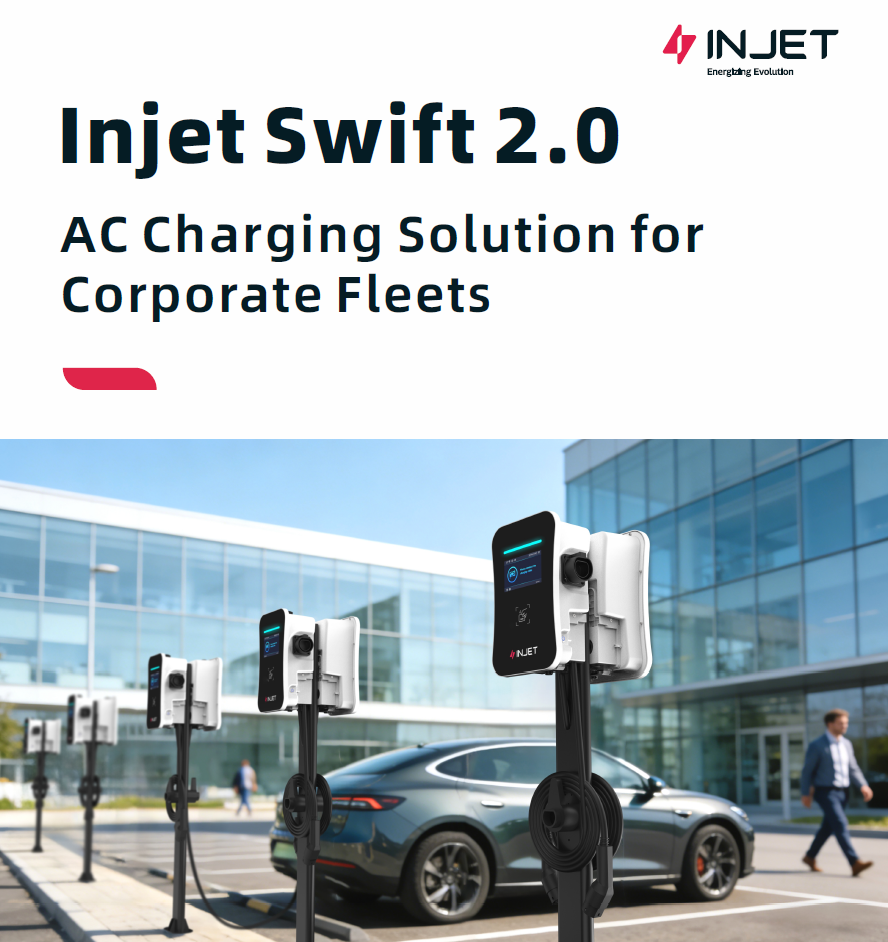


2026 is set to be anything but a quiet year for France’s electric mobility sector. Opportunities are growing fast — and so is the pace of change.
If the past few years were largely driven by subsidy-led market growth, a clear turning point is now emerging:
Policy is no longer just encouraging EV adoption — it is increasingly defining what “the right kind of electrification” should look like.
For industry players, understanding these regulatory shifts early often means identifying the next two to three years of opportunity ahead of time.
So what are the key policy changes in 2026 that will truly shape the market?
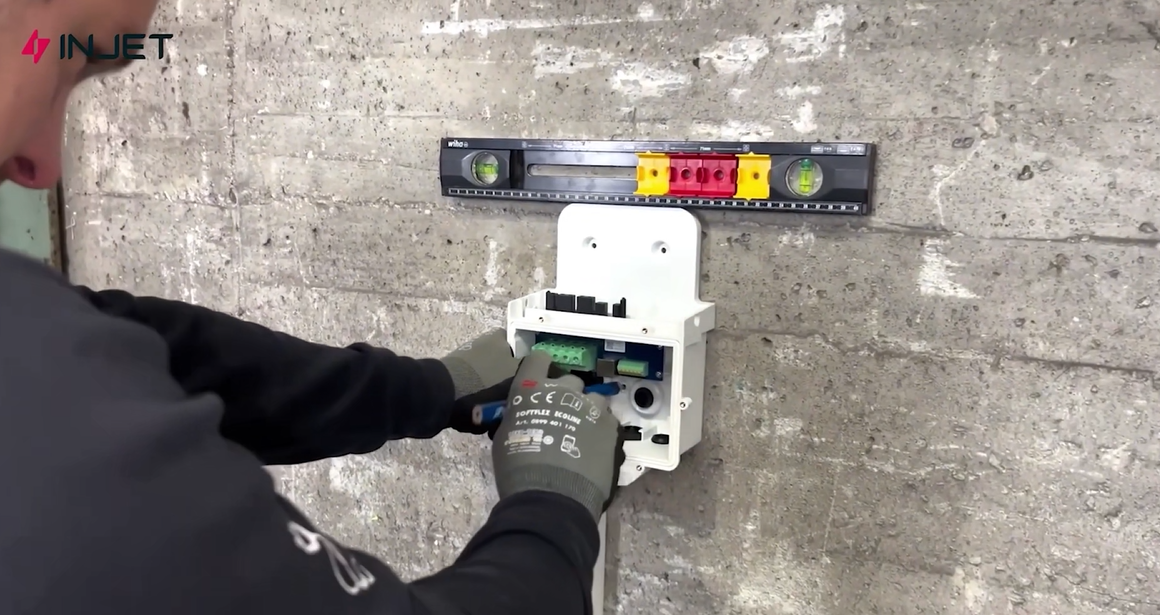
Home Charger Tax Credit Ends: Household Support Officially Phases Out
From 31 December 2025:
France’s tax credit for installing a residential charging point (crédit d’impôt, up to €500) expires.
From 1 January 2026:
This incentive will no longer apply, meaning households will no longer benefit from this broad-based support scheme.
This means:
This is not simply a reduction in subsidies — it reflects a strategic shift in policy priorities.
As household-level incentives phase out, the next stage of electrification in France will rely less on “one charger per home” and increasingly on scalable charging environments: corporate sites, public networks, and fleet depots.
From 2026 onward, home charging will no longer be the top policy-driven growth focus.
EV Purchase Incentives Move into the CEE Framework: Support Remains, but the Rules Have Changed
From 1 July 2025:
The traditional bonus écologique (ecological bonus) is no longer the main instrument. Purchase incentives transition into the Energy Savings Certificate system (Certificats d’Économies d ’Énergie–CEE), under the scheme:
Prime Coup de Pouce Véhicules Particuliers Électriques.
From 1 October 2025:
Additional bonuses are introduced for vehicles assembled in Europe and aligned with European battery supply-chain standards(€1,000).
In 2026, confirmed incentive levels include:
l Around €4,200 for lower-income households
l Around €3,100 for general-income households
This means:
Many assume France is “reducing subsidies.” A more accurate view is that the incentive system is being structurally upgraded.
France is shifting from direct state subsidies toward a more institutional, industrial-policy-oriented mechanism tied to energy obligations, supply-chain standards, and social targeting.
Support remains — but it is now more selective, more structured, and harder to reverse.

(Image Source: BC Hydro)
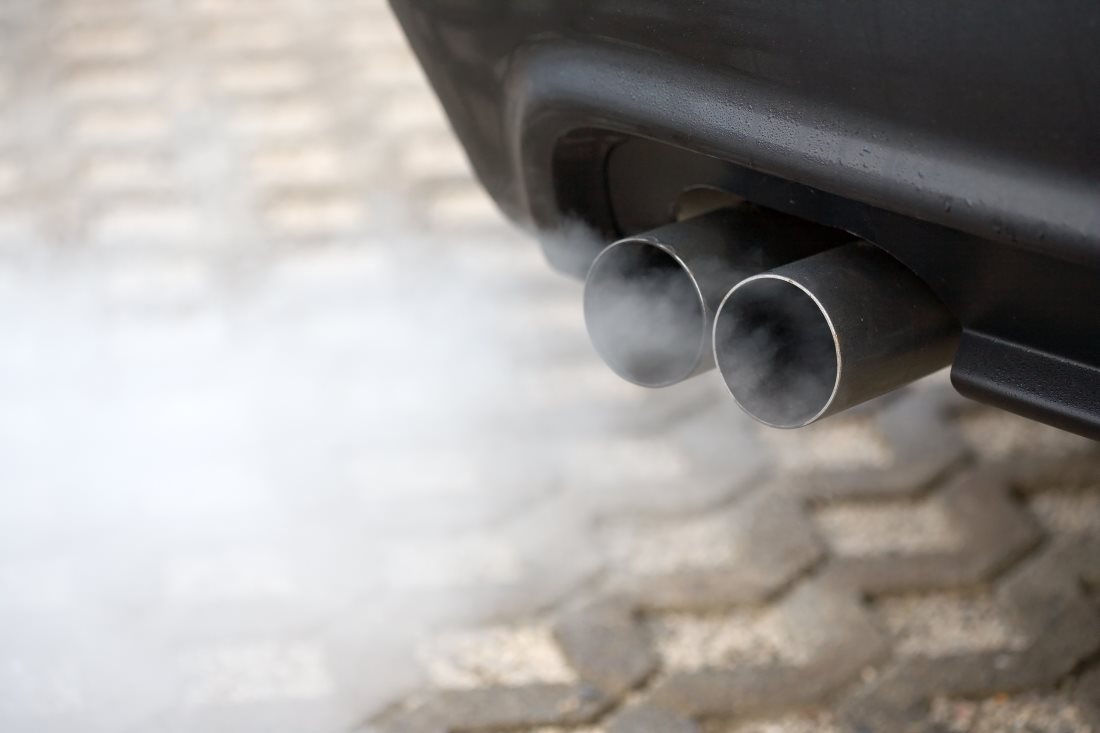
CO₂Malus Tightens Further: Internal Combustion Costs Continue to Rise
From 1 January 2026:
The threshold for the CO₂ emissions penalty (malus écologique) is lowered:
l From around 113 g/km in 2025
l To around 108 g/km in 2026
Penalty brackets will also increase, further raising the cost of high-emission vehicles.
This means:
France’s electrification strategy is increasingly clear:
Not only does it “pull EVs forward” through incentives — it also “pushes ICE vehicles out” through taxation.
Market transition will be accelerated not just by adoption, but by fiscal pressure on conventional powertrains.
(Image Source: Christian Brothers Automotive)
Weight-Based Malus Tightens: EVs Are No Longer Automatically “Exempt”
From 1 January 2026:
The weight-based penalty (malus au poids) threshold is reduced:
l From 1,600 kg
l To 1,500 kg
EV exemptions will no longer be automatic and will increasingly depend on the environmental score (éco-score / ecoscore).
This means:
This is one of the strongest policy signals of 2026:
France is no longer treating EVs as “naturally green” by default.
The market is moving toward more refined screening: electrification is necessary — but efficiency, low-carbon manufacturing, and vehicle footprint are becoming equally important.
Competition will shift from “being electric” to “being high-quality electrification.”

(Image Source: Ecoscore)
Corporate Fleet Quotas Increase: Electrification Enters the Era of Hard Compliance
From 1 January 2026:
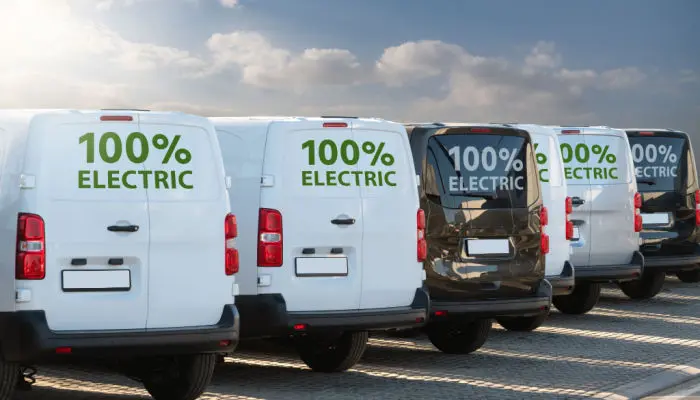
Corporate fleets with more than 100 vehicles must reach approximately 18% low-emission vehicle share (TAI quota requirement).
Failure to comply may result in penalties of around €4,000 per missing vehicle.
This means:
The main engine of electrification is shifting from private consumers to corporate fleets.
Fleet regulation is becoming one of the most scalable and predictable demand drivers for charging infrastructure in France.
(Image Source: ElectricityPlans)
Company Vehicle Tax (TVS) Adjustments: Operating Cost Logic Is Being Recalculated
From 1 January 2026:
Corporate vehicle taxation (TVS and related charges) will be further adjusted.
EVs remain advantaged compared to ICE vehicles, but part of the cost gap is narrowing.
This means:
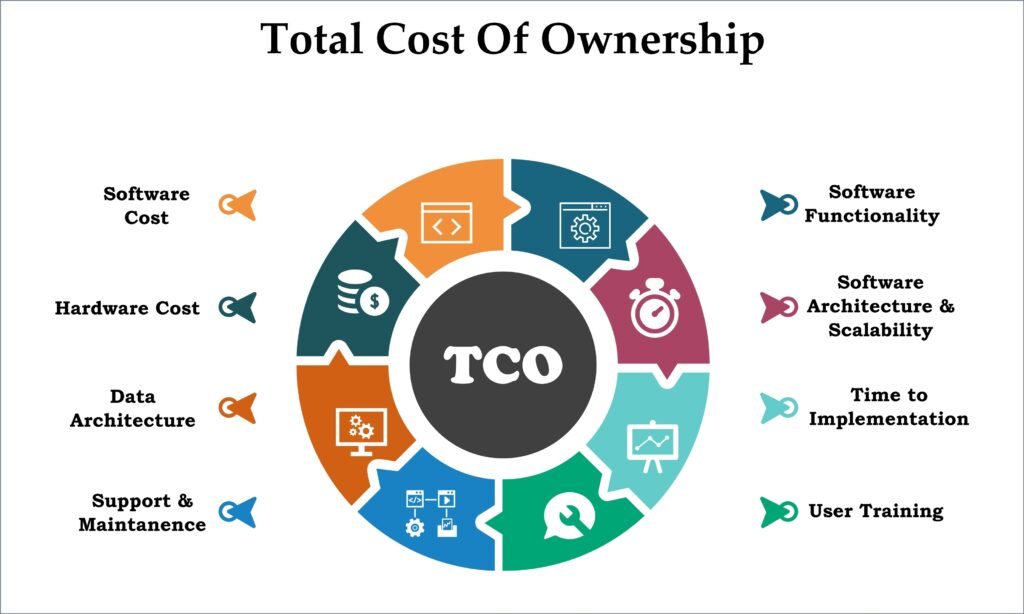
Electrification decisions are increasingly driven by full Total Cost of Ownership (TCO), not just purchase subsidies.
Operations, maintenance, and energy management capabilities will become central variables in fleet transition strategies.
(Image Source: Shutterstock.com/Skyline Graphics)
Leasing Social Returns: Electrification Continues to Expand Toward Affordability
1 January – 15 February 2024:
The first “social leasing” window opened for orders.
From 30 September 2025 onward:
The French government announced a renewed edition (nouvelle édition), with effects extending into 2026 market supply and demand cycles.
This means:
This policy may look like a welfare measure, but its industrial significance is broader.
As incentives become more selective, Leasing social ensures that electrification does not remain limited to higher-income households.
It will shape entry-level EV demand and shift the 2026 discussion from “Should we electrify?” to “Can electrification remain affordable?”

(Image Source: Mister EV)
AFIR Reaches an Execution Turning Point: Charging Becomes Truly Governed by European Standards
13 April 2024:
The EU Alternative Fuels Infrastructure Regulation (AFIR) officially entered into force.
From 2026 onward:
As Member States enter delivery and compliance cycles, AFIR requirements will increasingly translate into concrete project constraints — especially across highway fast-charging corridors, payment access, and pricing transparency.
Highway and Core Corridor Fast-Charging Projects
From 2026, deployment along European transport corridors will move beyond “encouragement” into structured delivery aligned with EU timelines.
Payment Requirements Become Harder
One core AFIR principle is that users must have more direct payment options and clearer price visibility at public charging points.
Closed, app-only ecosystems will become harder to sustain.
Tenders and Subsidies Begin to Align with AFIR Compliance
AFIR will increasingly appear in procurement frameworks, public funding criteria, and large corporate customer requirements.
It shifts from a “background regulation” into a market entry threshold.
Interoperability Becomes the Baseline
France’s charging market has long been fragmented across networks and platforms. AFIR pushes toward cross-operator, cross-border consistency.
This means:
AFIR’s importance is not that “a regulation was published in 2024,” but that from 2026 onward it begins to reshape real-world projects and user experience.
The industry is moving from a build-out phase into an operational standards phase — where the key question is no longer coverage, but long-term reliability, transparency, and service consistency.

Conclusion
Overall, 2026 will not be a year of “more subsidies,” but a year of clearer rules.
Support remains — but it is more targeted. Constraints are stronger — especially for corporate fleets. And charging infrastructure is moving from expansion into operational maturity.
The real opportunities will belong to those who can anticipate policy direction early and deliver long-term, scalable solutions.
At INJET NEW ENERGY, we are actively working in France around fleet electrification and real-world charging deployment — and we look forward to collaborating with more local partners to turn these policy shifts into executable projects and sustainable infrastructure.