


Recently, ComEd, the largest electric utility in Illinois, formally submitted a landmark four-year strategic proposal to the Illinois Commerce Commission. The plan outlines a staggering $15.3 billion investment dedicated to comprehensive grid enhancement. This initiative represents more than just a regional milestone; it signals a profound transition for energy infrastructure across the American Midwest.
In response to intensifying climate challenges, the explosive growth of data centers, and the accelerating wave of transportation electrification, ComEd is pivoting from a traditional “one-way” power delivery model to a highly resilient, digitalized, and interactive smart grid. This strategic overhaul is essential to achieving the decarbonization goals set forth by Illinois’s Climate and Equitable Jobs Act (CEJA).
Below is a deep dive into the five core dimensions of this transformative plan.
I. Infrastructure Reimagined: Strengthening the Grid’s Foundation
1. The Evolution of Capital-Intensive Utility Models
This $15.3 billion commitment reflects a broader industry shift toward “capital-intensive” modernization. The investment logic focuses on three pillars: bolstering system resilience, iterating legacy equipment, and embedding deep-layer digital technologies.
- 1)Enhanced Physical Defense: Hardening critical infrastructure to protect the grid against extreme weather events and physical security threats.
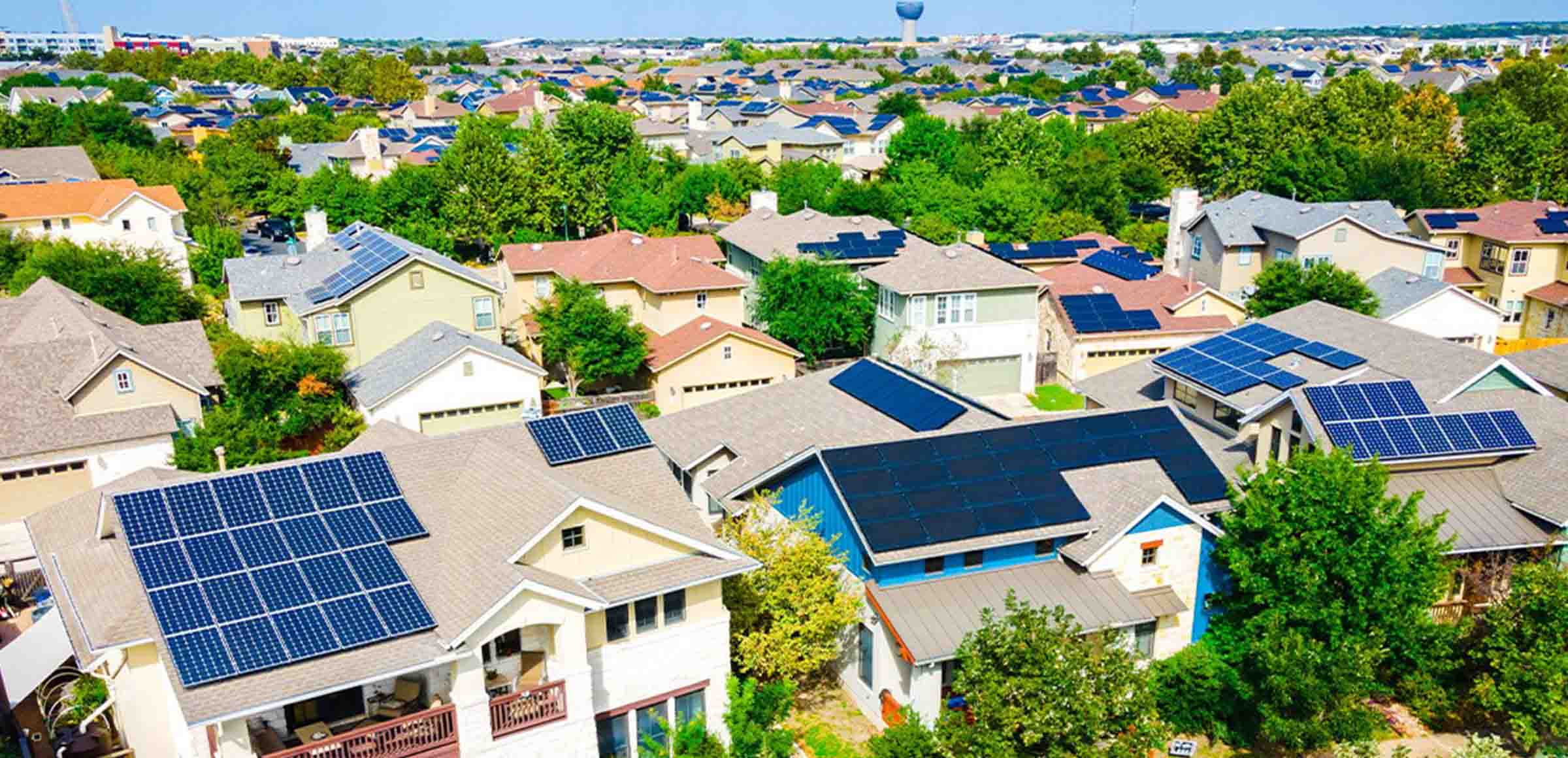
- 2)Expansion of Interconnection Capacity: As distributed energy resources (DERs) like rooftop solar become ubiquitous, the grid is being re-engineered into a highly adaptable, bidirectional power network.
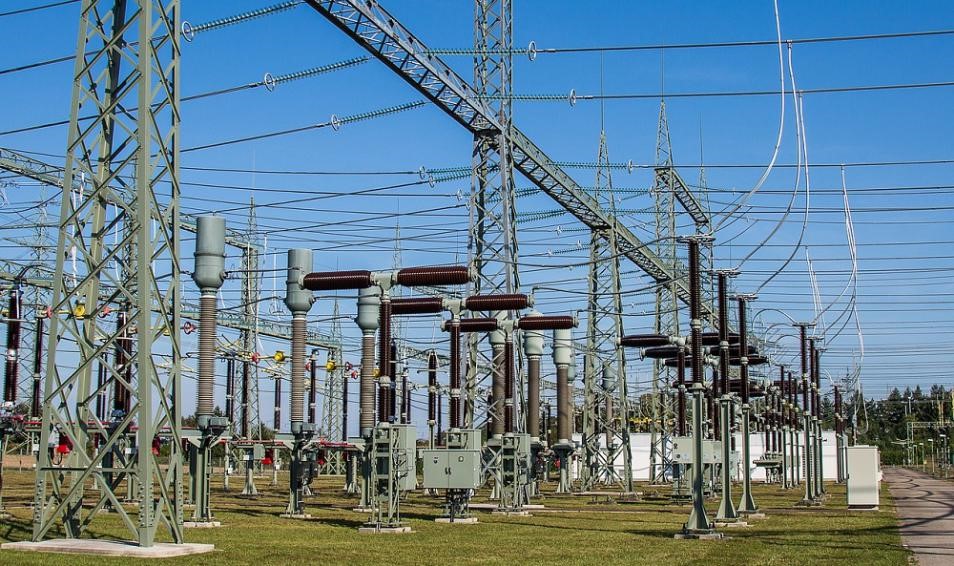
2. Hub Modernization: The Substation Overhaul
As the vital nodes of power distribution, substations are the centerpiece of this upgrade:
- 1)Strategic Deployment: Plans include the construction of 5 new high-voltage substations to serve “hot zones” such as emerging industrial corridors and high-density data center clusters.
- 2)Systemic “Heart Surgery”: ComEd intends to upgrade 810 existing substations, replacing aging transformers and integrating digital protection systems and smart sensors to eliminate single-point failures and increase system redundancy.
3. Distribution Network Optimization
For the “last mile” of delivery, ComEd will replace aging lines with high-capacity, weather-resistant conductors. By installing advanced voltage optimization equipment, the grid will improve transmission efficiency and minimize energy loss at the source.
(Image Source: CHINT)
II. Technology-Driven: A Dual Engine of Intelligence and Resilience
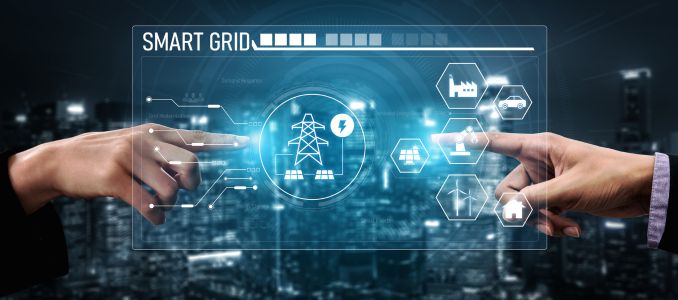
1. Deep Integration of Digital Transformation
The future grid is no longer just a network of cables; it is a data-driven intelligent entity:
- 1)Predictive Maintenance: Leveraging real-time sensors and Big Data analytics to transition from “reactive repairs” to “predictive health management.”
- 2)AI-Enabled Smart Dispatch: Utilizing AI algorithms to balance the volatility of renewables, ensuring that grid frequency and voltage remain stable even as wind and solar penetration increases.
- 3)Edge Computing Applications: Upgraded smart meters will feature enhanced edge-processing capabilities, significantly reducing the time required for fault location and response.
2. Climate Resilience and “Self-Healing” Capabilities
With extreme weather becoming the “new normal,” grid survivability is a top priority:
- 1)Hardening and Undergrounding: Moving power lines underground in vulnerable areas and utilizing high-standard materials for utility poles.
- 2)Intelligent Isolation: By deploying smart switches, the grid can automatically isolate damaged segments during a fault and reroute power within seconds, achieving localized “self-healing.”
(Image Source: Environmental Protection)
III. Demand-Side Challenges: Managing High-Consumption and Electrification
1. The “Energy Efficiency Test” for Data Centers
Illinois is rapidly becoming a global hub for data centers. The surge in Generative AI has placed immense load pressure on local circuits:
- 1)High-Density Power Supply: New substations are designed specifically to meet the extreme power density requirements of modern AI computing.
- 2)Power Quality Assurance: AI hardware is hypersensitive to voltage fluctuations, necessitating a significant upgrade in power purity and stability.
2. The Steady Progress of Full-Scale Electrification
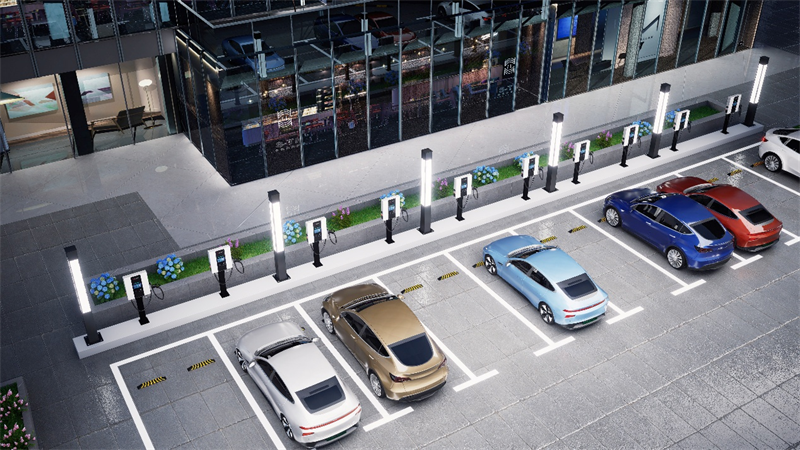
- 1)Charging Infrastructure: The grid will be reinforced to support the massive influx of Electric Vehicles (EVs) while implementing intelligent load management for peak and off-peak periods.
- 2)The Heat Pump Challenge: As building heat shifts from natural gas to electricity, the load profile is evolving from a “summer peak” to a “dual-peak” (winter and summer) model.
IV. Economic Impact: Investment, Costs, and Social Benefits
1. Rate Adjustments and Long-term Value
An investment of this magnitude inevitably affects utility rates. ComEd must find a delicate balance between securing investment returns and maintaining customer affordability:
- The Revenue Model: ComEd seeks to recover costs by expanding its “rate base.” While short-term rates may trend upward, the company emphasizes that long-term societal costs will decrease through reduced outage losses and improved system efficiency.
2. Consumer Protections and Economic Inclusivity
- 1)Offset Mechanisms: Utilizing carbon-free energy credits under CEJA to mitigate rate hikes for consumers, alongside exploring energy-burden caps for low-income households.
- 2)Economic Stimulus: The project is expected to create thousands of high-skilled jobs in engineering and construction, while stimulating the local electrical supply chain.
V. Regulatory Standards and Equitable Performance
1. Anchoring the 2045 Decarbonization Blueprint
This plan is ComEd’s direct action toward its CEJA obligations, aiming to clear “interconnection queues” for green energy and ensuring Illinois reaches its 100% clean energy goal by 2045.
2. Commitments to Equity and Diversity
Under the new regulatory framework, investment will be prioritized for historically underserved and infrastructure-vulnerable communities. Furthermore, ComEd has committed to increasing procurement from minority- and women-owned business enterprises (MWBEs).
3. Performance-Based Regulatory Oversight
Illinois has transitioned to performance-based ratemaking. ComEd must prove through data that its investments have tangibly improved reliability; failure to meet these metrics could result in financial penalties—ensuring that every dollar spent is both prudent and necessary.
(Image Source: Enel)
Conclusion: Reshaping the Future of Regional Energy
ComEd’s $15.3 billion proposal is essentially a complex quest for the “optimal solution” among competing goals:
- 1)Maintaining aging hardware while pioneering AI integration.
- 2)Securing massive capital while managing consumer bills.
- 3)Fueling data center growth while decarbonizing the energy mix.
For the Midwest and the broader U.S., this is more than an infrastructure iteration—it is a vital experiment in economic competitiveness and climate resilience. The execution of this plan over the next four years will define the energy landscape of the region for the next decade.

As the North American grid evolves toward a smarter and more resilient future, Injet New Energy—as the first Chinese EVSE manufacturer to receive North American UL certification—is deeply engaged in this transition. Through our industry-leading EV charging stations and distributed energy storage systems (ESS), we are committed to being a “World-Class Integrated New Energy Solution Provider.” Our mission is to help local communities capitalize on these grid advancements, collectively driving the future of green transportation and energy transformation.
Contact Injet New Energy as we empower your electrified future.