


Imagine this scenario: On a sunny Saturday afternoon, solar PV panels across the UK are generating power at peak capacity. A surge of clean energy floods the grid, yet the electric vehicles and energy storage systems at your site remain idle, failing to "consume" this free surplus energy.
The recently published Summer Outlook 2026 by the National Energy System Operator (NESO) notes that distributed solar PV is highly likely to disrupt the traditional perception that "midnight is the most cost-effective time to charge." During summer afternoons, periods of exceptionally high solar PV generation coupled with extremely low national demand may occur.
For owners of charging infrastructure, operators, and fleet managers, this represents both a challenge to grid stability and a historic window for energy arbitrage and demand response.
I. Four Key Signals from the NESO Summer Outlook 2026
1. Geopolitical and Market Context
-
Energy Price Volatility: The report states that global Liquefied Natural Gas (LNG) supplies are under threat due to factors such as the closure of the Strait of Hormuz (affecting approximately 20% of global production), leading to the most volatile period for energy prices since 2022.
-
Gas Dependency: Europe’s increased reliance on LNG makes gas prices highly sensitive to global supply disruptions, directly impacting electricity price levels in the UK.
2. Security of Supply
-
Overall Adequacy: NESO expects sufficient supply to meet peak demand and reserve requirements throughout the summer.
-
Cross-border Trade: The UK is expected to be a net importer of electricity, particularly from France (benefiting from high nuclear availability). However, during periods of supply surplus, the UK retains the capability to export power to neighboring countries.
3. Challenges in Managing Low Demand
-
Weather-Driven Trends: Low Demand is no longer determined solely by consumer behavior; it is increasingly driven by weather conditions, particularly solar PV generation.
-
Minimum Demand in the Afternoon: With the growth of distributed solar PV, the probability of the daily minimum demand occurring in the afternoon—rather than the traditional deep-night period—has significantly increased. There is a 75% probability that the minimum demand in Summer 2026 will break historical records.
-
System Complexity: During periods of low demand, system inertia decreases, making it more difficult to balance supply and demand. NESO may more frequently issue Negative Reserve Active Power Margin (NRAPM) notices, requiring power plants to reduce their output.
4. Demand Side Response and Technical Evolution
-
Demand Flexibility Service (DFS) Upgrade: From April 2026, the DFS will transition to a “bi-directional service,” supporting not only peak shaving but also “demand turn-up” (increasing demand) during periods of electricity surplus.
-
Lower Entry Barriers: The eligibility criteria for DFS will be reduced from a minimum threshold of 1 MW to 0.1 MW, encouraging participation from smaller distributed resources such as EV chargers and domestic energy storage.
-
Role of Battery Storage (BESS): Storage systems are playing an increasingly critical role in providing frequency response and intra-day flexibility.
II. Who Benefits from This Shift? Opportunity Map for Four Key Stakeholders
| Stakeholder | Implications & Opportunities |
| Site Owners | Energy Cost Optimization: Electricity surpluses or even negative prices may occur during summer afternoons. Site owners can utilize these windows for large-scale charging or storage. Additionally, the lower 0.1 MW threshold allows small-to-medium commercial sites to participate in DFS for compensation. |
| CPOs | Flexibility Requirements: Due to the increase in afternoon low-demand periods, CPOs require smarter dispatch systems to coordinate with NRAPM notices or DFS instructions to increase or decrease charging loads as required by the grid. |
| Fleet Managers | Green Charging Opportunities: Peak solar generation in summer afternoons coincides with low-demand periods. By shifting fleet charging schedules to the afternoon, managers can reduce costs and maximize the use of renewable energy. |
| End Users (Drivers) | Price Signal Guidance: Users may see more attractive “dynamic pricing.” Charging on a sunny weekend afternoon could become cheaper than charging at midnight. |
III. How Injet New Energy Helps You Capture the "Consumption Dividend"
1. For Site Owners
Core Needs: Reduced operating costs, additional revenue streams, and energy self-sufficiency.
-
Integrated PV-Storage-Charging Solutions: As mentioned, the DFS will upgrade to a “Bi-directional Service” in April 2026. While DFS participants were previously limited to industrial plants capable of shedding load, assets with storage attributes (EVs and home batteries) are now the primary actors. They can "discharge" during power shortages and "consume" during surpluses. Injet New Energy is committed to integrated solutions, providing advanced energy storage and DC charging equipment that allows site owners to store cheap surplus solar energy in the afternoon for use or resale during evening peak periods.
-
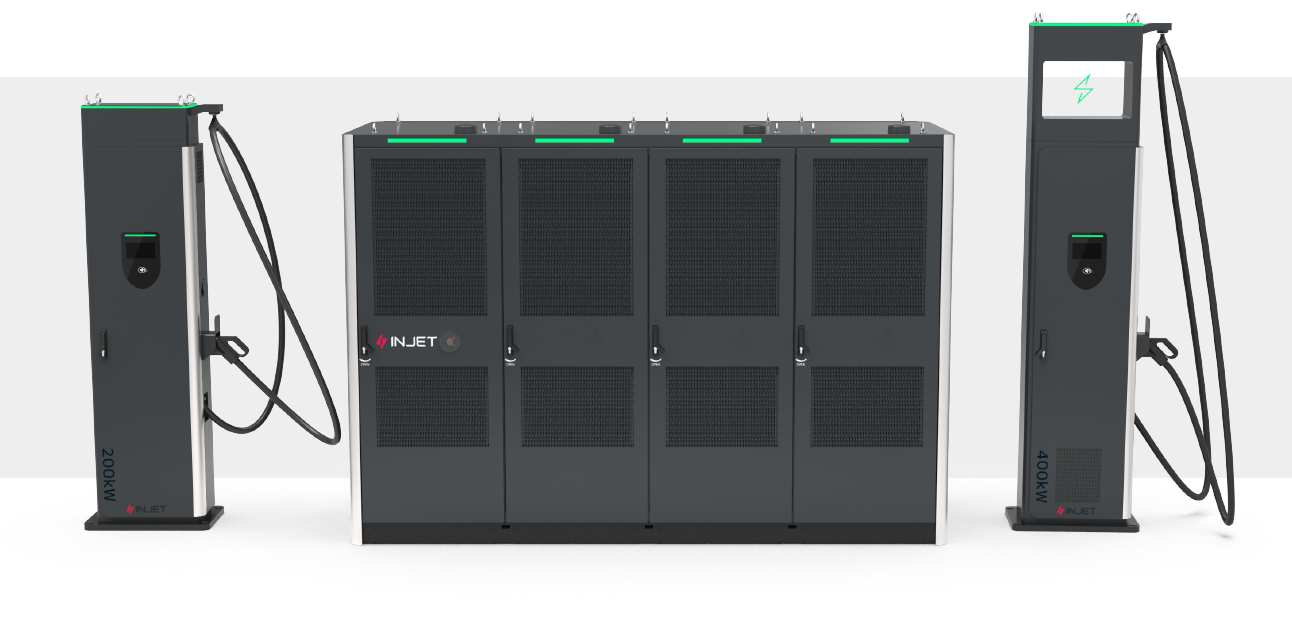
Injet HanYuan DC Flexible Ultra Mega Charging System: PV+ESS integration ready.
2. For Charge Point Operators (CPOs)
Core Needs: System stability, intelligent dispatch, and resilience against market volatility.
-
Smart Dynamic Load Management: The NESO report highlights balancing difficulties due to reduced system inertia. Injet chargers support the OCPP 2.0.1 protocol, allowing CPOs to regulate the charging power across the network in real-time via the cloud. When the grid issues an NRAPM (Negative Reserve) notice, the platform can reduce non-essential loads with one click, ensuring site stability while supporting grid security.
-
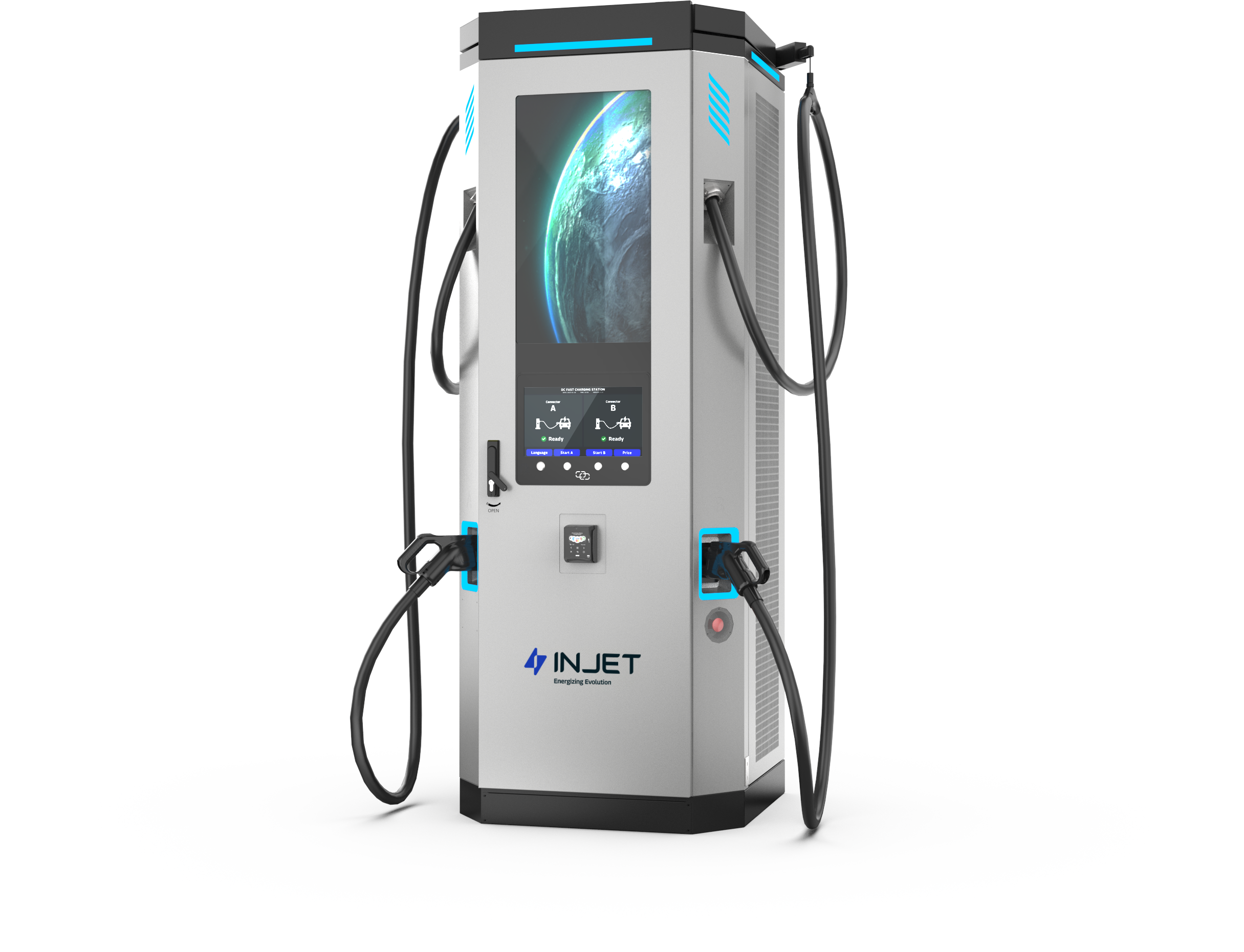
Ampax Pro 480 Commercial DC Fast Charger: Supports OCPP 1.6J and 2.0.1.
3. For Fleet Managers
Core Needs: Guaranteed uptime, reduced energy expenditure, and carbon reduction targets.
-
High-Reliability Hardware Design: To handle more frequent grid adjustments (Everyday Actions), Injet equipment utilizes industrial-grade protection and redundant designs to ensure an ultra-long service life despite high-frequency start-stops and power switching.
-
Injet HanYuan DC Flexible Ultra Mega Charging System: Compliant with IP54, IK10, and NEMA 3R standards, it effortlessly handles extreme summer heat and heavy rain. Its internal Module Redundancy ensures "non-stop" operation even during component maintenance.
Conclusion
Summer 2026 will test both the resilience of the grid and the strategic vision of every site owner and operator. With the DFS threshold dropping to 0.1 MW and the transition to bi-directional services, the "right to participate" in the energy market is becoming more accessible than ever. In this context, Injet New Energy provides more than just hardware; we provide the key to connecting with the energy markets of the future.
Are you ready to engage your charging sites in energy arbitrage? [Contact our expert team] for a customized charging solution, learn more about our latest charging technologies.
