


Why the Most Interesting EV Charging Awards of 2026 Were Not About Charging Faster
If you were asked to predict the most celebrated EV charging technologies of 2026, the obvious answers would probably involve a larger power cabinet, a thicker cable or another record-breaking number of kilowatts.
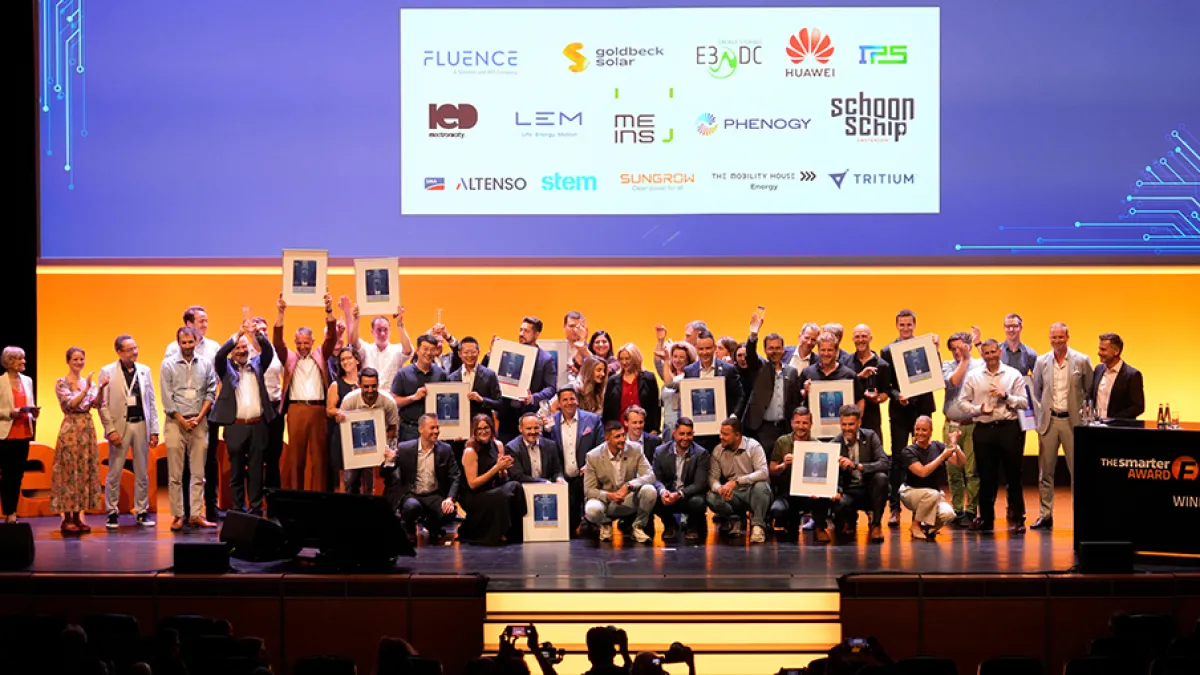
The smarter E AWARD 2026 produced a more revealing result.
The three winners in its E-Mobility category were HagerEnergy's bidirectional edsn wallbox, LEM International's DCES Series DC energy meter and Tritium Power Solutions' TRI-FLEX modular fast-charging platform with DC-coupled battery storage.
One sends energy in two directions. One measures it. One stores and redistributes it. None of those descriptions begins with “more power.”
That contrast is the real story. Higher charging power still matters, but the next phase of EV charging technology is increasingly about making electricity controllable, measurable and available at the moment it is needed.
Fast Charging Has Reached the Point Where Power Is Only the Beginning
For a driver, charging speed is easy to understand. A higher number suggests a shorter stop. For a fleet operator, it can mean more vehicles returned to service. For a charging point operator, it can support greater throughput from each bay.
But the nameplate rating describes only what a charger can deliver under the right conditions. It does not answer what happens when several vehicles arrive at the same time, when the grid connection becomes the bottleneck, when a truck needs a large amount of energy in a short window or when billing must remain accurate across thousands of high-power sessions.
Once these questions appear, charging becomes more than a conversion task. It becomes an energy-management problem.
V2G Asks Whether a Parked Vehicle Can Become an Energy Asset
Conventional charging has a familiar direction: electricity moves from the grid, through the charger and into the vehicle. Vehicle-to-grid charging introduces the possibility of sending part of that energy back when the wider energy system needs it.
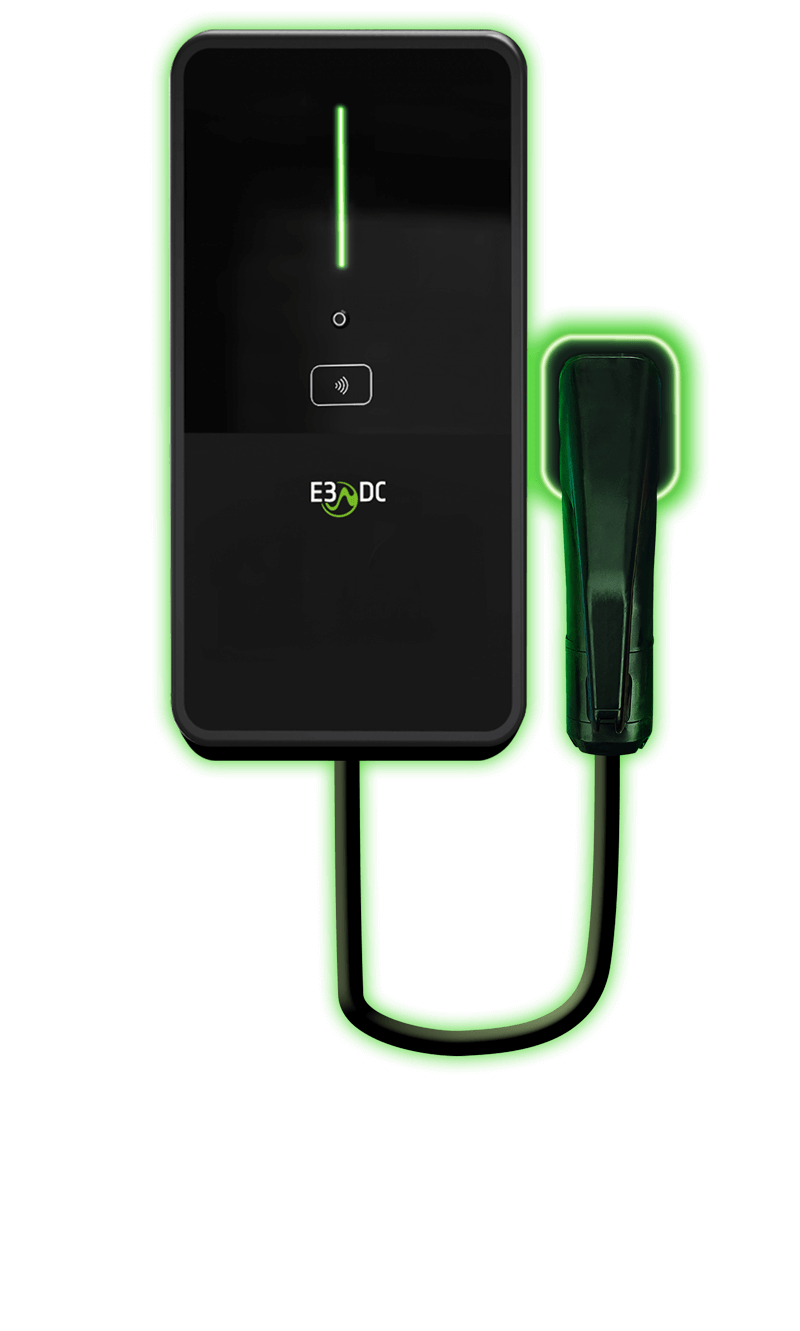
HagerEnergy's award-winning edsn is a V2G-capable DC wallbox designed to connect the vehicle, the home energy system and the electricity market. In a compatible installation, a parked EV can charge when solar generation is available or tariffs are lower, then make stored energy available for household use, grid support or backup operation.
The important word is “compatible.” Bidirectional operation depends on the vehicle, charger, electrical installation, communications, energy-management software and applicable market rules. The award does not mean that every home or charging project is ready for V2G today.
It does show a change in how the industry sees the vehicle. An EV battery is no longer being considered only as a load to be filled. It may also become a controllable part of the energy system.
At Higher Power, Accurate DC Energy Metering Becomes More Commercially Important
A DC energy meter is less visible than a charging dispenser, but it answers one of the most important questions in a paid charging session: how much energy was actually delivered?
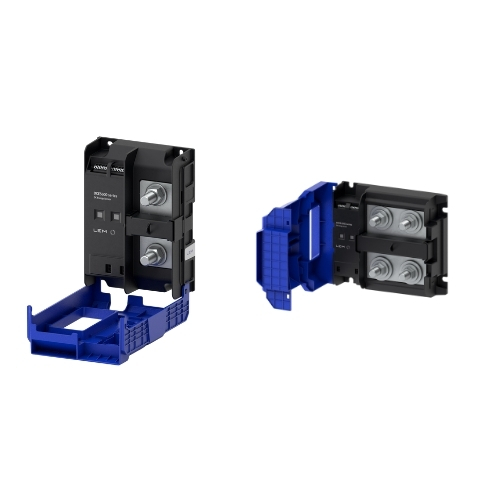
LEM's award-winning DCES Series was developed for DC fast charging and megawatt charging systems. The product direction matters because high-power charging compresses a large commercial transaction into a short period. A truck can receive a substantial amount of energy during one stop, and a small measurement discrepancy repeated across many sessions can affect billing, reconciliation and customer trust.
The meter and the charging platform also perform different jobs. The meter establishes the delivered energy; the platform applies the tariff and manages the commercial transaction. Reliable charging revenue depends on trustworthy information moving between both layers.
That is why metering deserves a place beside faster cables and larger power cabinets. A charging network cannot scale on kilowatts alone. Every billable kilowatt-hour must also be visible, traceable and defensible.
Battery Storage Helps a Charging Site Work Around the Grid Behind It
The third winner begins with a problem familiar to charging-site developers: the chargers may be capable of delivering hundreds of kilowatts, but the available grid connection cannot supply full power to every bay at once.
Increasing grid capacity can require new transformers, utility studies, civil work, permits and a long waiting period. A battery energy storage system does not create free or unlimited electricity, but it can change when energy is drawn from the grid and when it is delivered to vehicles.
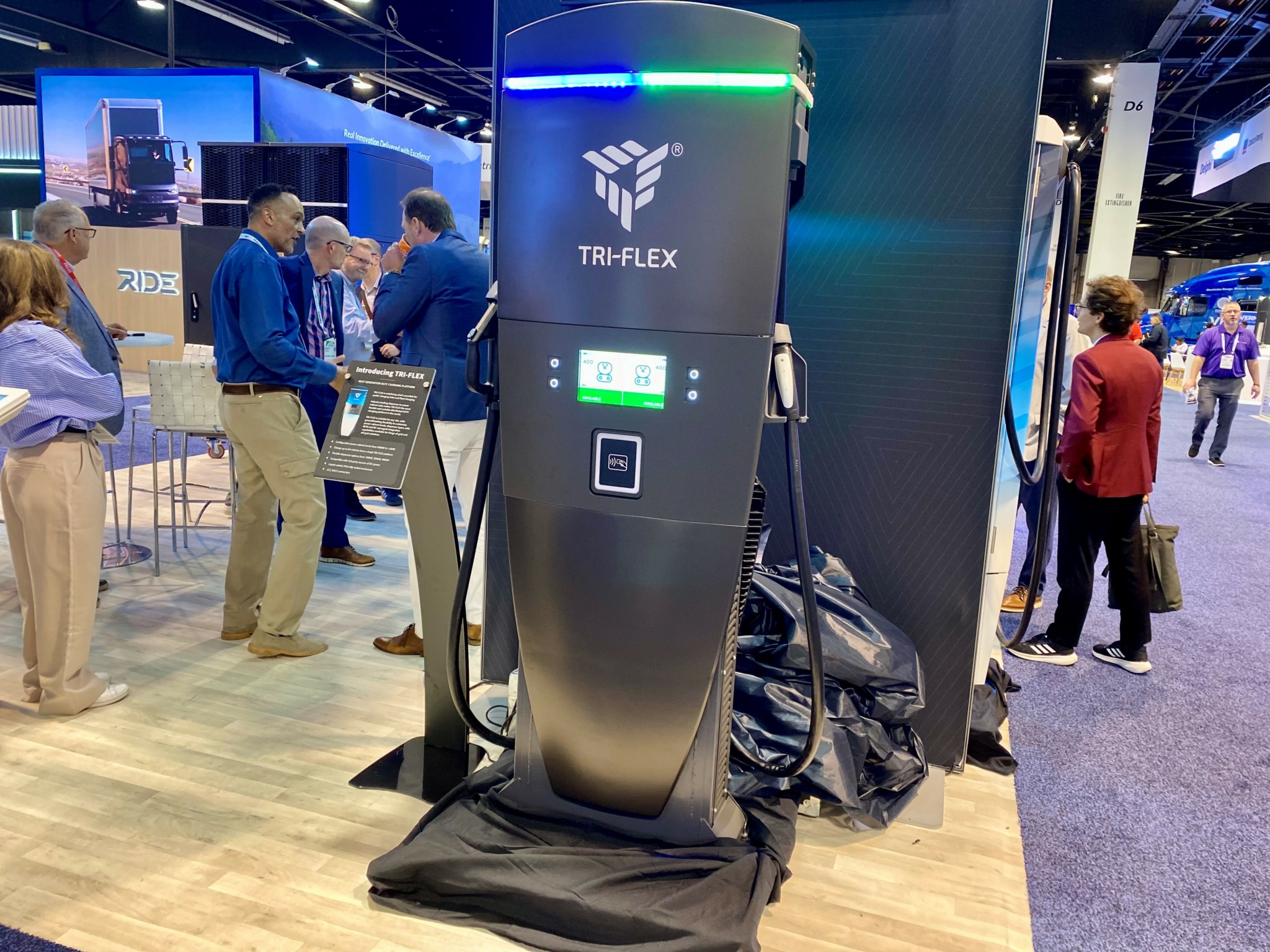
Tritium's TRI-FLEX combines a modular distributed DC fast-charging architecture with DC-coupled BESS integration. Storage can charge while demand is lower and discharge during a short peak, supplementing the grid connection when several vehicles need power at the same time.
This can help a site reduce peak demand, make better use of an existing connection or bring useful charging capacity online while a grid upgrade is still pending. The operational value comes not simply from owning a battery, but from coordinating the battery, chargers, vehicle demand and site limit as one system.
Three Winners Point to One Larger Shift in EV Charging
The edsn focuses on the direction of energy flow. The DCES Series focuses on measurement. TRI-FLEX focuses on how charging power can be supplied and distributed when the grid alone is not enough.
Together, they suggest a more useful question for the next charging project. Instead of asking only “What is the maximum charger power?”, operators should also ask:
- How much power can the site actually provide during its busiest period?
- How accurately is delivered energy measured and reported?
- Can generation or battery storage reduce pressure on the grid connection?
- How is available power allocated when several vehicles request it at once?
- Can the system adapt when one vehicle tapers and another urgently needs more power?
These questions determine how much of a site's installed charging capacity can become useful throughput and revenue.
Where This Trend Connects With Injet
The connection is the system-level problem they reveal: charging equipment increasingly has to work with limited grid capacity, changing vehicle demand, local generation, battery storage and operating priorities.
This is where Injet's work in integrated photovoltaic, energy storage and charging solutions, energy management and dynamic power allocation becomes relevant.
At a charging site, solar generation can provide local electricity when conditions allow. Battery storage can shift part of that energy across time and support short demand peaks. An energy management system coordinates those resources against the site's import limit and operating strategy.
At the charging layer, the Injet HanYuan Distributed Charging System divides its shared power pool into 40 kW dispatchable modules. Within the system's supported routing architecture, modules can be reassigned as vehicle demand changes. When one vehicle enters the tapering stage, capacity that is no longer required can be redirected to another vehicle instead of remaining trapped behind a fixed output.
This does not mean every site needs storage, distributed charging or the same control strategy. A motorway hub, a logistics depot and a commercial car park have different dwell times, load curves and business priorities.
They do share one requirement: the operator must understand how energy enters the site, how it is measured, how it moves between assets and how it is allocated to vehicles.
The Next Charging Specification Is a System Question
The smarter E AWARD 2026 did not say that charging speed has stopped mattering. Its E-Mobility winners showed what becomes important after higher power arrives.
Electricity has to come from somewhere. It has to be measured accurately. It may need to be stored temporarily. And when demand exceeds the power immediately available, it has to be allocated intelligently.
The largest number on a charger's nameplate still attracts attention. The technologies that determine whether that number can be used reliably, profitably and at scale may create more lasting value.
Sources: The smarter E AWARD 2026 winners; Hager and E3/DC; LEM DCES Series; Tritium TRI-FLEX.