


The Accessibility Gap in EV Charging Infrastructure
The rapid expansion of public EV charging networks has become a defining feature of transportation electrification.
In the UK alone, public charging infrastructure has surpassed 80,000 charge points, while similar deployment targets are accelerating across Europe and North America. As governments and operators focus on increasing charger availability, another critical question is gaining attention:
Can every driver actually use these charging stations independently and safely?
For many EV users, the answer remains uncertain.
Accessibility has long been an overlooked aspect of charging infrastructure design. While charging power, uptime, and network coverage often dominate industry discussions, physical usability and inclusive access have received far less attention.
Yet as EV adoption expands beyond early adopters to include older drivers, people with disabilities, tourists, and occasional charging users, accessibility is rapidly becoming a fundamental requirement rather than an optional feature.
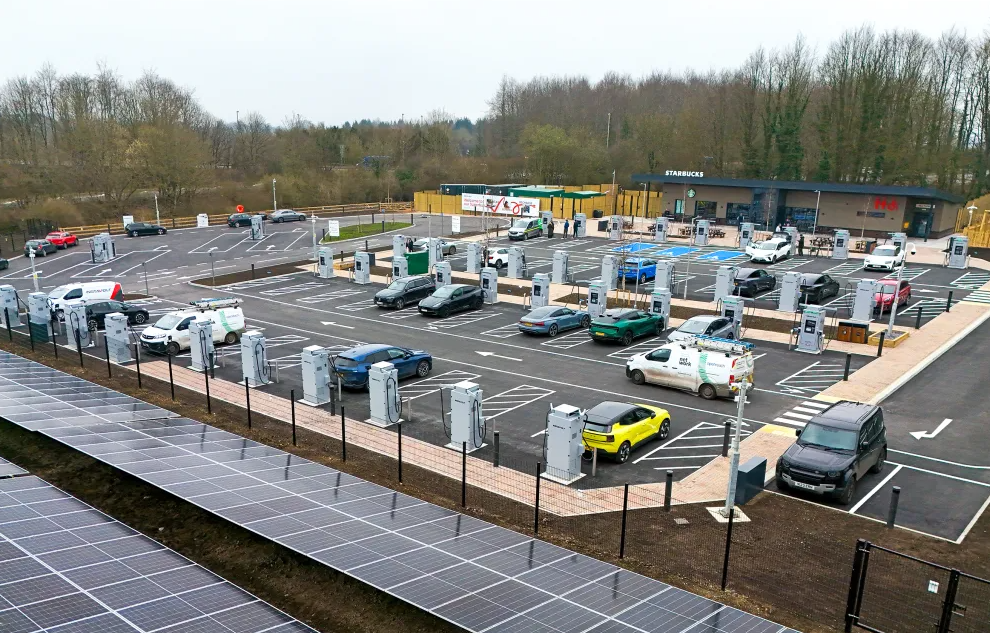
Heavy Charging Cables Remain a Major Barrier
One of the most significant accessibility challenges comes from an often-overlooked component: the charging cable itself.
According to the 2025 Cable Weight Survey conducted by EVA England, more than half (51%) of disabled drivers described ultra-rapid charging cables as either difficult or extremely difficult to use. Even lower-power rapid chargers (up to 50 kW) presented usability challenges for 53% of respondents.
The issue is largely technical in nature.
To safely deliver high currents required for DC fast charging, cables must be thicker and heavier. As charging power increases, cable weight, stiffness, and torsional resistance increase as well. The result is a charging experience that can require substantial physical effort simply to remove, maneuver, and reconnect the charging connector.
Importantly, this challenge extends beyond drivers with disabilities.
Many women, elderly drivers, and users with limited upper-body strength report difficulties handling heavy charging cables. Social media posts and user forums frequently describe charging sessions as physically demanding, particularly when cables are poorly supported or positioned.
As EV adoption becomes increasingly mainstream, charger usability will become just as important as charging speed.
Why Accessibility Is Becoming a Regulatory Requirement
Accessibility is no longer driven solely by user demand.
Across major EV markets, regulators are beginning to establish formal accessibility requirements for charging infrastructure.
United States: ADA and ABA Accessibility Guidance
In the United States, accessibility recommendations for EV charging stations are increasingly aligned with the principles of the Americans with Disabilities Act (ADA) and the Architectural Barriers Act (ABA).
These guidelines address key areas such as:
- Accessible parking spaces
- Reach ranges for controls and displays
- Pathways and maneuvering clearances
- User interface accessibility
The objective is clear: EV charging stations should be accessible and usable for people with disabilities without requiring assistance.
Europe: AFIR and the European Accessibility Framework
In Europe, accessibility requirements are also evolving rapidly.
The Alternative Fuels Infrastructure Regulation (AFIR), which entered into force in April 2024, introduces accessibility obligations for public charging infrastructure across EU member states.
At the same time, new European standards are being developed to define both physical and digital accessibility requirements, including charging interfaces, payment systems, and user interaction design.
The European Accessibility Act (EAA) and EN 301 549 further reinforce expectations around inclusive digital experiences, covering touchscreen interfaces, visual information, and alternative interaction methods.
For charge point operators, accessibility is increasingly becoming a compliance issue rather than a voluntary initiative.
The Forgotten User Experience Challenge: EV Charging Payments
Accessibility does not stop at hardware.
Payment systems represent another significant barrier for many EV drivers.
Historically, much of the charging industry has relied on an app-first model. Users are often expected to download an operator-specific application, create an account, verify credentials, and register a payment method before initiating a charging session.
While this approach may work for frequent users, it creates friction for:
- Tourists and visitors
- Occasional charging users
- Elderly drivers
- Drivers with limited digital literacy
- Users facing poor mobile network coverage
Each additional step increases the likelihood of an abandoned charging session.
Recognizing this issue, regulators are moving toward more universal payment options. Across Europe, contactless card payments are increasingly becoming an expectation, while several countries and regions have introduced requirements for direct payment capabilities at public charging stations.
The message is clear: charging should be as simple as refueling.
Accessibility Creates Business Value, Not Just Compliance
Accessibility is often viewed as a regulatory obligation.
In reality, it can also be a competitive advantage.
Charging stations that are easier to use naturally serve a broader customer base. By reducing physical and digital barriers, operators can improve charger utilization, increase customer satisfaction, and capture charging sessions that might otherwise be lost.
From a business perspective, accessibility delivers value in three ways:
Higher Charger Utilization
A charging station that can comfortably serve elderly drivers, disabled users, women, tourists, and occasional EV drivers reaches a significantly larger audience.
Reduced Compliance Risk
Designing for accessibility from the outset helps operators prepare for evolving regulations and avoid costly retrofits in the future.
Expanded Payment Acceptance
Supporting card-based and contactless payment options enables operators to capture users who would otherwise abandon charging due to app-related friction.
How INJET HanHui Addresses Accessibility Challenges
Recognizing these industry challenges, INJET developed the HanHui DC Fast Charger with accessibility, usability, and future compliance in mind.
Rather than focusing solely on charging performance, HanHui incorporates features designed to improve the overall charging experience for a wider range of users.
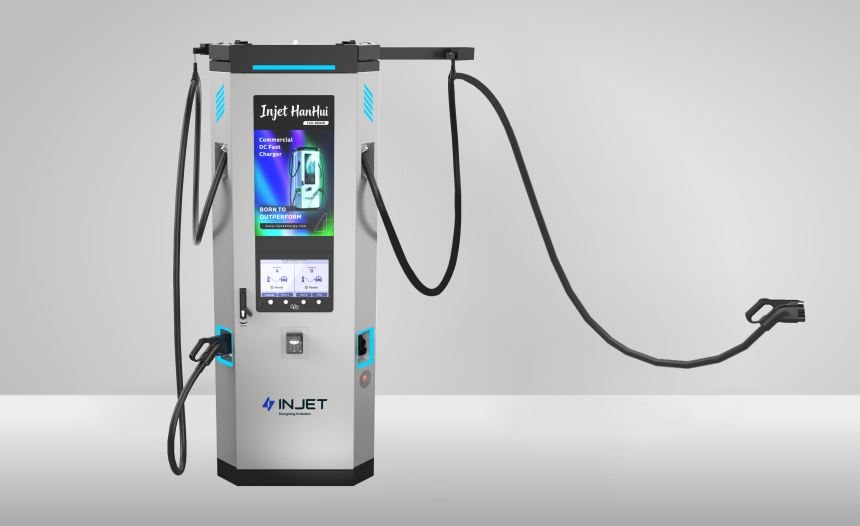
Cable Management Arm for Easier Handling
HanHui features an integrated cable management arm system that helps offset cable weight and significantly reduce the effort required to handle DC charging connectors.
By supporting most of the cable’s weight through a mechanical balancing structure, the system minimizes lifting force and improves cable maneuverability.
For drivers with limited strength or mobility, this can transform charging from a physically demanding task into a straightforward daily operation.
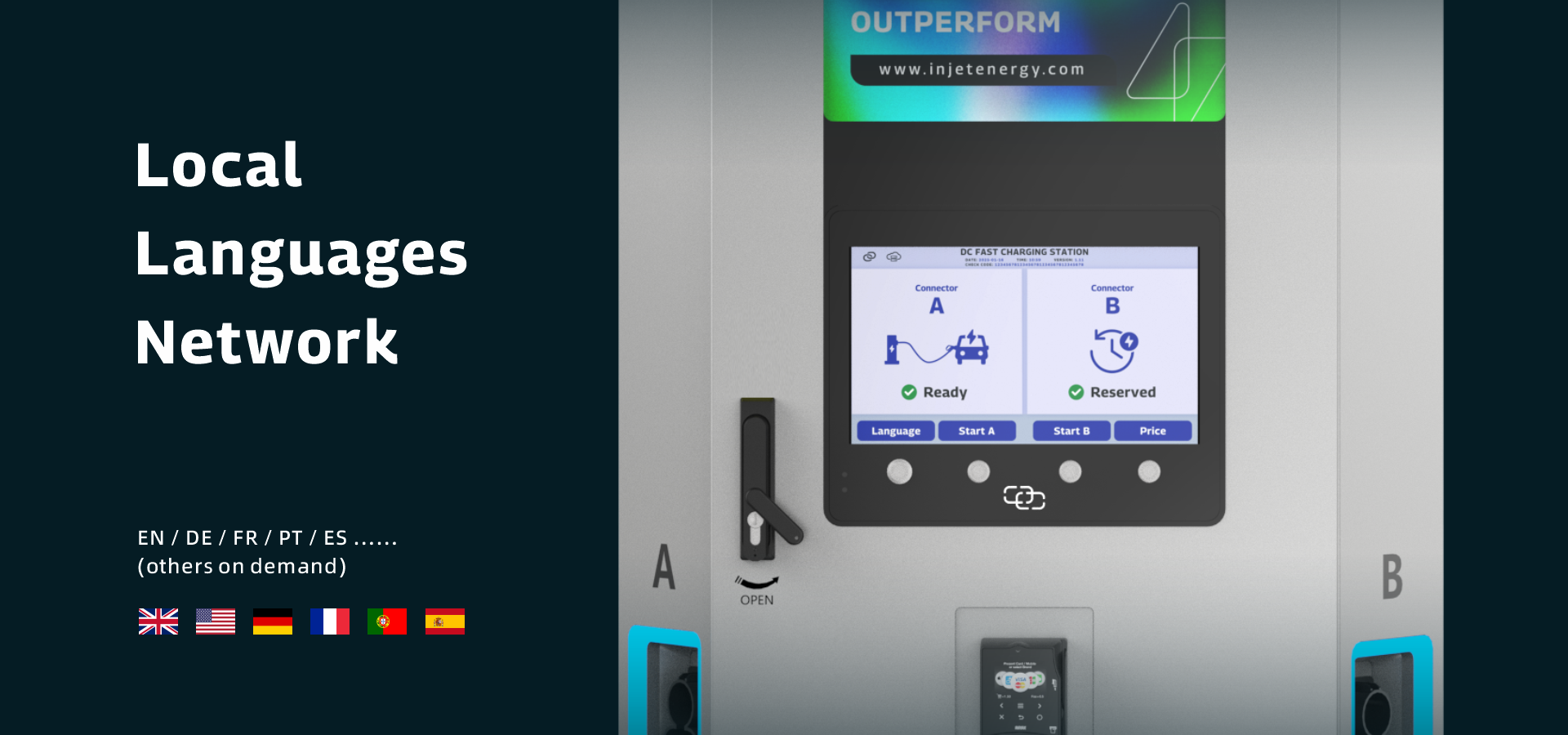
10-Inch Accessible User Interface
The HanHui charging interface is designed with accessibility considerations aligned with ADA and European accessibility requirements.
Display placement, screen visibility, and user interaction zones are optimized to improve accessibility for wheelchair users and other drivers requiring enhanced reachability.
This approach supports a more independent charging experience while helping operators prepare for future accessibility standards.
Optional POS Terminal Integration
HanHui also supports optional POS payment functionality, enabling both card-based and contactless transactions.
Drivers can simply tap a payment card or mobile wallet and begin charging without downloading an application or creating an account.
For operators, this helps attract a broader customer base while supporting emerging regulatory requirements around payment accessibility.
Building EV Charging Infrastructure for Everyone
As the EV industry matures, success will no longer be measured solely by charger power ratings or network size.
The next phase of infrastructure development will be defined by usability, accessibility, and inclusivity.
Heavy charging cables, inaccessible interfaces, and complicated payment processes may have been tolerated during the early stages of EV adoption. However, they increasingly represent barriers to mass-market electrification.
Designing charging infrastructure for all users is not simply about compliance. It is about creating a charging experience that is safer, simpler, and more welcoming for everyone.
The future of EV charging should be accessible by design.
And that future starts with infrastructure built for every driver.
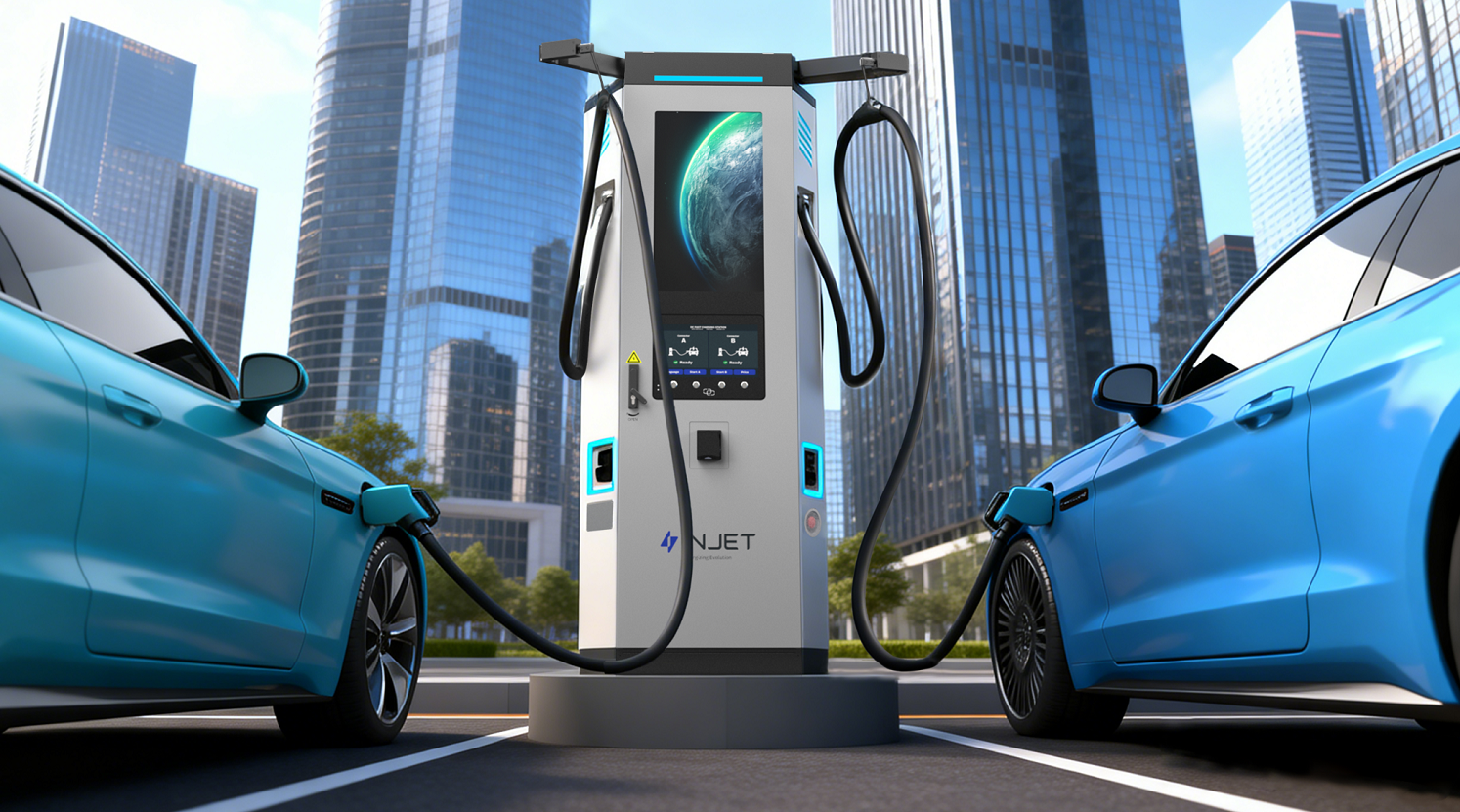
The INJET HanHui commercial DC fast charger officially debuts today. We invite you to visit us at booth B6.190 to experience it firsthand, or visit injetenergy.com for more product information.