


As winter sets in, electric vehicle owners face a shared challenge: keeping their vehicles reliable and efficient in freezing conditions. In the United States, recent studies have shown that extreme weather increasingly affects daily EV use. Reduced driving range and longer, less predictable charging times have become practical concerns for many drivers.
This article examines the key reasons winter conditions impact EV performance and offers practical, science-based strategies to help you stay confident and mobile throughout the cold season.
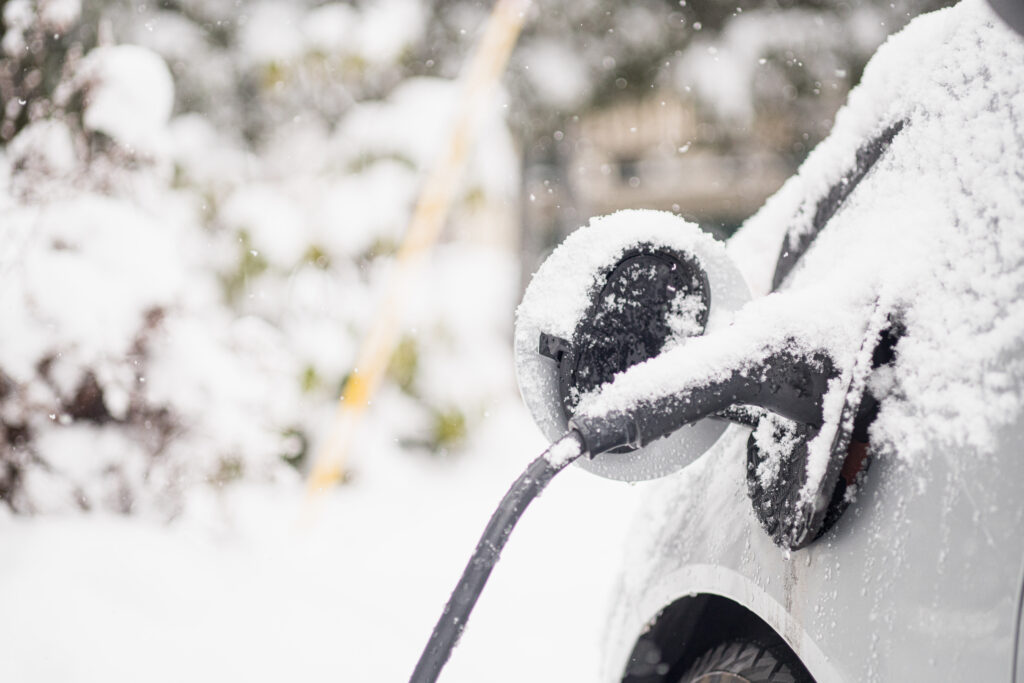
(Image Source: Electrification Coalition)
1. How Cold Weather Affects Your Electric Vehicle
Low temperatures influence EV performance primarily in two ways:
1.1“Thermal Loss” in Driving Range
In cold conditions, an EV must consume energy to warm the battery pack to its optimal operating temperature. Cabin heating further increases energy demand. Industry data indicates that during winter, average EV range retention drops to approximately 80% of warm-weather performance, depending on temperature and driving conditions.
1.2“Cold Start” Effects on Charging Speed
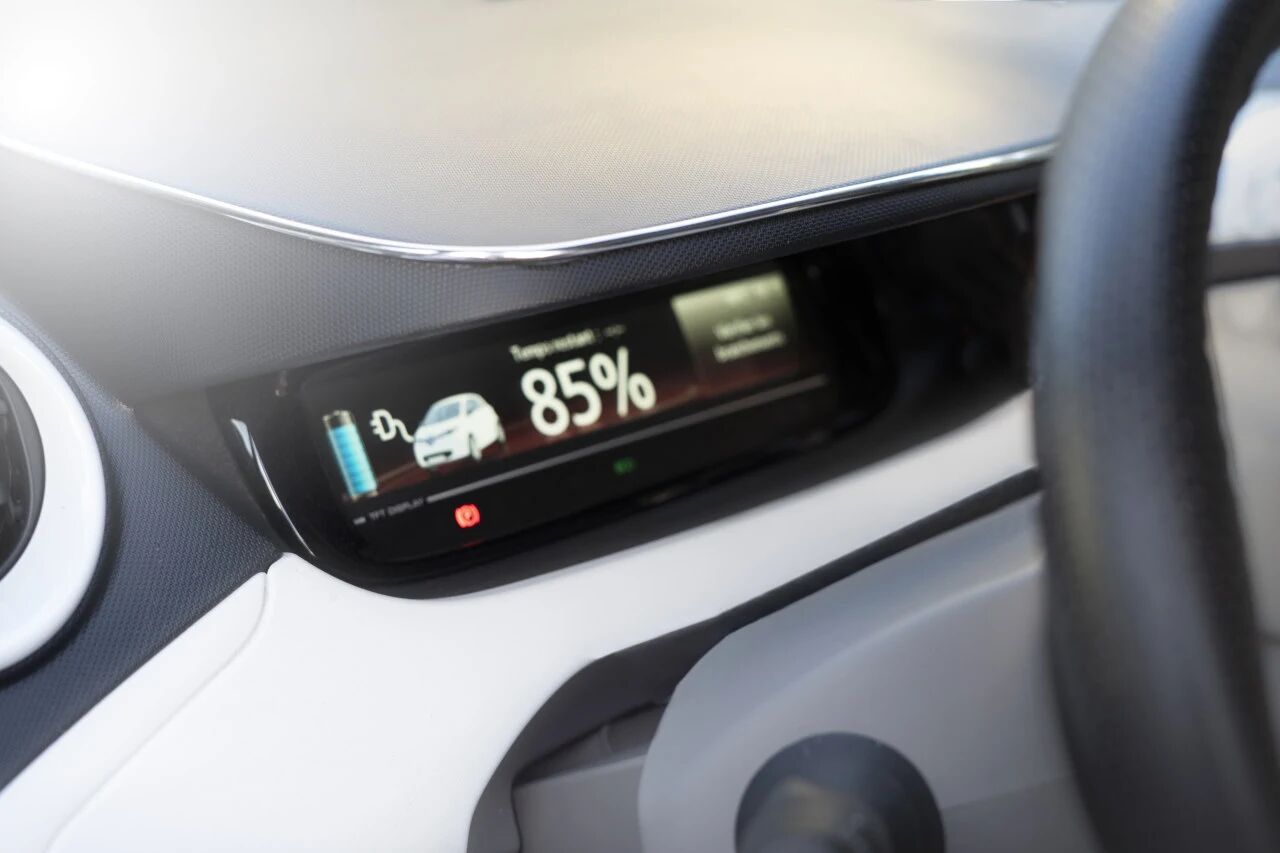
Fast charging a cold battery is inefficient and can be harmful. For this reason, modern Battery Management Systems (BMS) limit charging power when low temperatures are detected. During the initial phase, much of the incoming energy is used to heat the battery rather than increase state of charge. Industry testing shows that in severe cold, charging power may fall to 60–70% of normal levels, which explains why both home and public charging often feel noticeably slower in winter.
2.Practical Winter Charging and Driving Strategies
Rather than worrying about cold-weather limitations, EV owners can significantly reduce winter-related stress by adjusting charging and driving habits.
2.1 Preparing Before Charging
Use vehicle preconditioning features
Before heading to a charging station—or after connecting to a home charger—activate battery preheating and cabin warming via your vehicle’s mobile app. This uses grid power instead of battery energy and ensures the vehicle is in optimal condition before charging or driving.
Charge during warmer periods of the day
When possible, charge during relatively warmer hours, such as midday or early afternoon. Even small temperature increases can improve battery activity and charging efficiency.
2.2 Smart Charging Practices
Maintain a healthy charge range
Avoid deep discharges in winter. Experts recommend recharging when the battery reaches 20–30%, as deep discharging under low temperatures places additional stress on the battery.
Rely on home charging for daily use
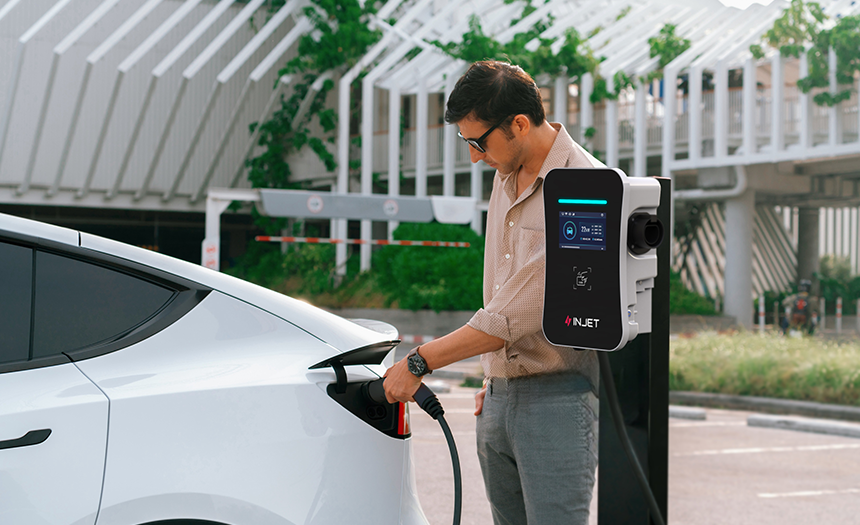
For routine commuting, overnight home AC charging is often the best option. AC charging delivers power more gently, supporting battery longevity while taking advantage of lower off-peak electricity rates. The New York State Energy Research and Development Authority (NYSERDA) also advises avoiding frequent charging to 100%; setting an automatic stop at 80–90% can help extend battery life.
Set realistic expectations for fast charging
When using DC fast chargers in winter, allow extra time. If the battery temperature is very low, the initial heating phase will slow charging. Peak charging speeds are typically reached only after the battery warms up and the charge level exceeds about 20%.
2.3 Driving and Parking Wisely
Use seat and steering wheel heating first
Localized heating consumes far less energy than warming the entire cabin and can significantly preserve driving range.
Drive smoothly and maximize regenerative braking
Avoid aggressive acceleration and hard braking. Set regenerative braking to a higher level to recover more energy during deceleration, helping extend range.
Park in a sheltered location
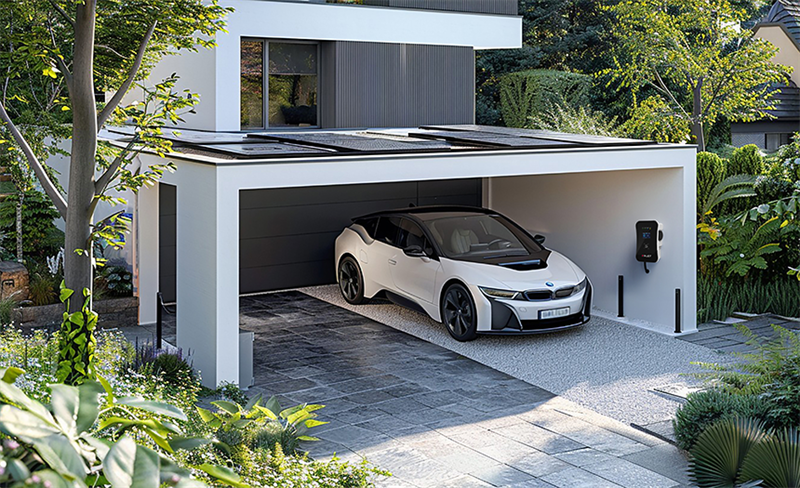
Whenever possible, park in a garage or underground facility. Even a simple carport can shield the vehicle from extreme cold and wind, helping maintain battery temperature and improving next-day startup performance.

(Image Source: FOREMOST)
3. Choosing a Reliable Charging Partner
Beyond driver habits, charging equipment reliability is the foundation of a dependable winter charging experience. In snow, ice, and low temperatures, internal electronics, cables, and connectors face additional stress. Selecting equipment designed for extreme climates is therefore essential.
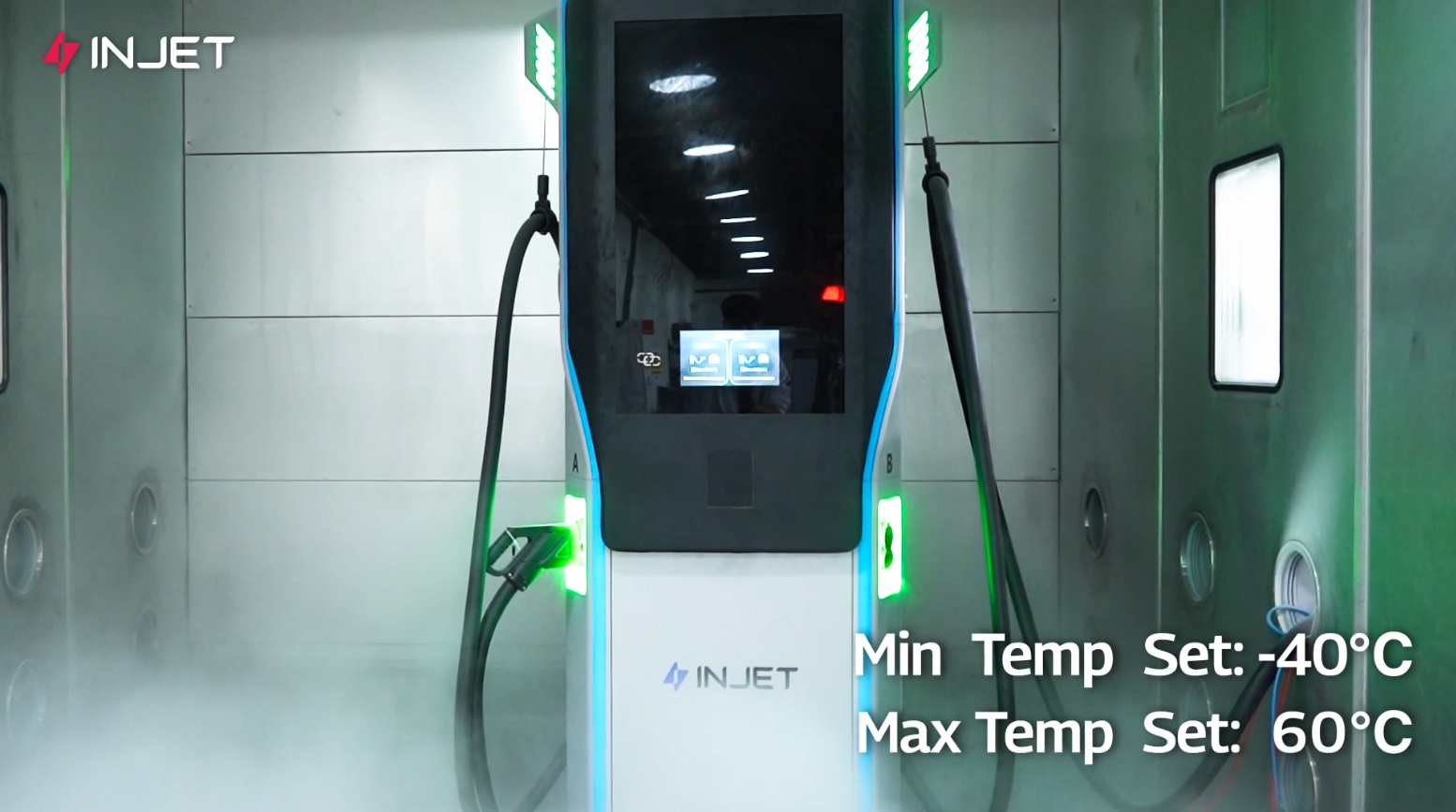
This principle is central to INJET New Energy’s product design. The Injet Ampax charging series undergoes rigorous environmental testing before market release. In climate chambers simulating temperatures as low as –40°C, these chargers are tested across the full operational cycle—from startup to continuous operation.
This ensures that even after severe winter storms in regions such as northern Canada or Northern Europe, critical components—from internal power modules to external charging connectors—continue to perform reliably, delivering consistent charging when it matters most.
4. Conclusion
The impact of winter on electric vehicles is ultimately a balance between battery chemistry and environmental conditions. While drivers cannot change the laws of physics, they can take control through knowledge, planning, and the right equipment.
Understanding that batteries need time to “warm up,” using smart preconditioning and charging strategies, and choosing a cold-resistant charging solution like Injet Ampax together form a strong defense against winter-related challenges. Embracing electric mobility means being prepared for all seasons. With the right approach, your winter journeys can remain efficient, comfortable, and dependable—no matter how low the temperature drops.