



BLOGS
-

Major Shift in the UK Electricity Market: Is Charging in the Afternoon Cheaper Than at Midnight? New Opportunities for Site Owners, CPOs, and Fleets
Imagine this scenario: On a sunny Saturday afternoon, solar PV panels across the UK are generating power at peak capacity. A surge of clean energy floods the grid, yet the electric vehicles and energy storage systems at your site remain idle, failing to "consume" this fr...Read more -

Accessible by Design: How Regulations Are Reshaping EV Charger Hardware in 2025–2026
When Alpitronic unveiled its HYC400 Series 2 fast charger in March 2026, the industry didn’t just notice a larger screen. It noticed a shift in priorities: this flagship product had been redesigned with wheelchair users at the center of the process. That wasn’t a marketing decision. I...Read more -

UL vs. ETL Certification for EV Chargers: Which is Best for the US Market?
In the world of electric vehicle (EV) chargers, safety and reliability are paramount. As such, industry standards and certifications play a critical role in ensuring that EV chargers meet certain safety requirements. Two of the most common certifications in North America...Read more -
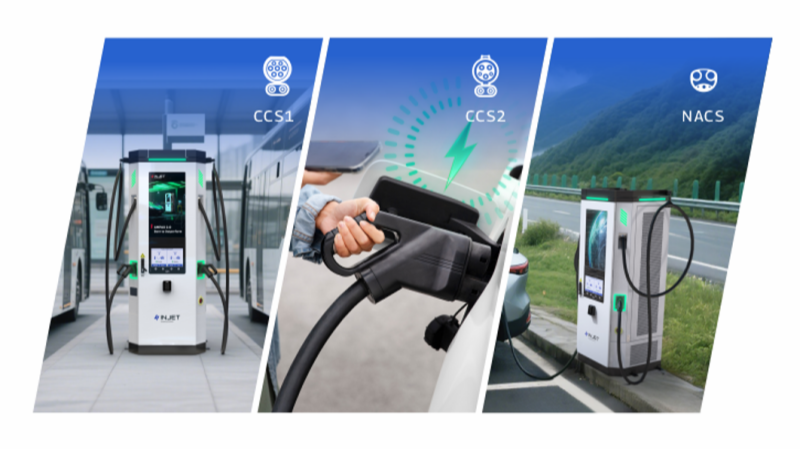
EV Charging Compatibility and Interoperability: Future Trends in E-Mobility
Compatibility Issues: A Shared Industry Challenge EV charging software provider Driivz conducted a survey across North America and Europe, revealing that vehicle-to-charger compatibility issues accounted for 45% of charging failures—the top cause. The study involved 300 ...Read more -

Why Your High-Power Charging Hub is Leaking Revenue (And How to Fix It)
Experience and feedback from my partners suggest that many Charge Point Operators (CPOs) are unknowingly leaving money on the table. Despite securing high-capacity grid connections and investing in premium distributed charging systems, many still find their site’s actual...Read more -
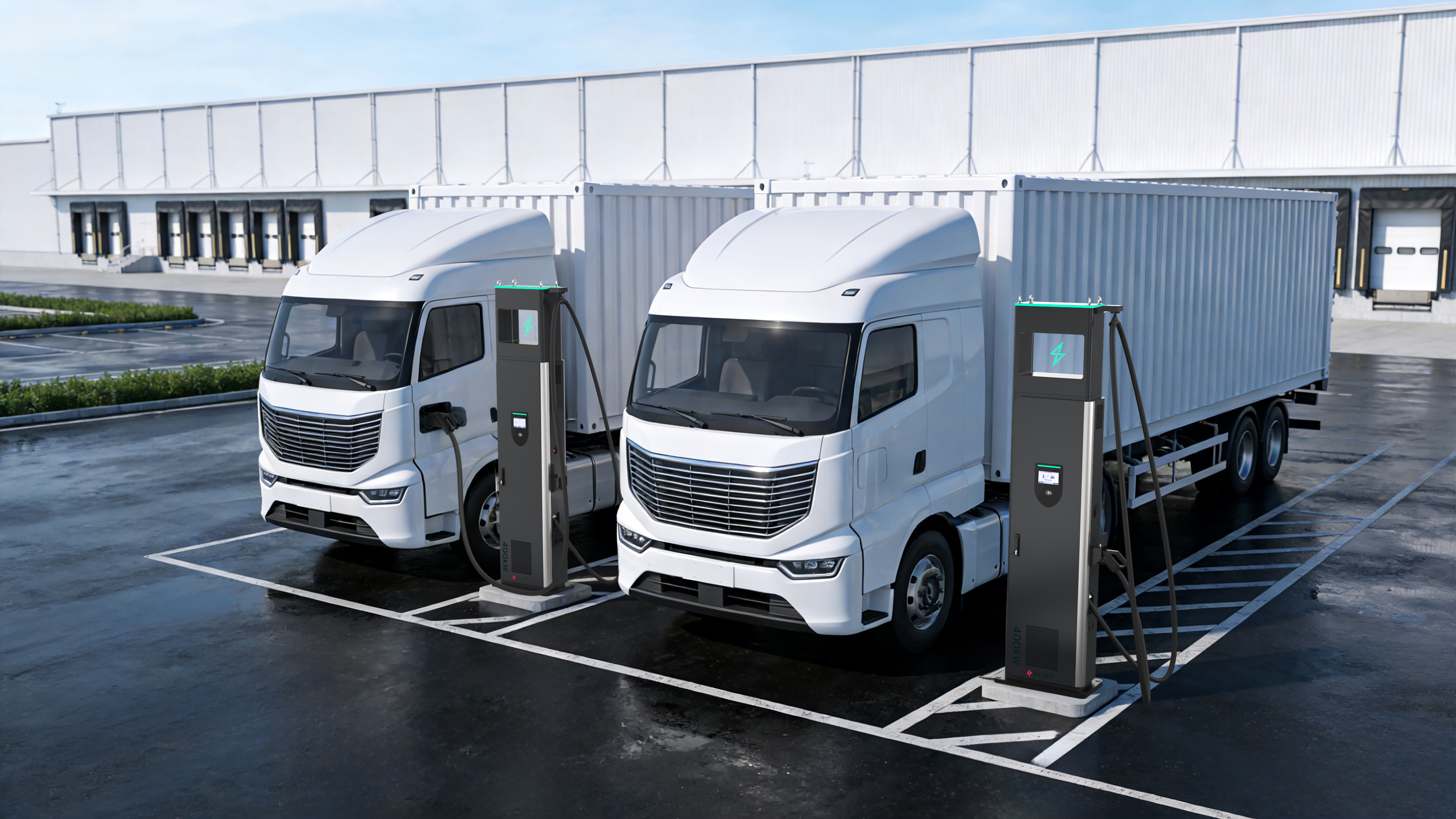
Stop Leaving Money on the Table: Why Distributed Charging Systems are the Future of DC Fast Charging ROI
A 320kW sticker on your charger doesn’t guarantee 320kW of billable energy. In my experience working with North American fleet operators and CPOs, the biggest gap in profitability isn’t electricity costs—it’s Stranded Capacity. Traditional "All-in-One" chargers often loc...Read more -

What is the new Measuring Instruments Directive (MID)?
With the European Council’s formal adoption of the revised Measuring Instruments Directive (MID) in February 2026 and its official publication in March, the European electric vehicle (EV) charging landscape has reached a pivotal milestone. This update is more than a technical iteration; it repres...Read more -
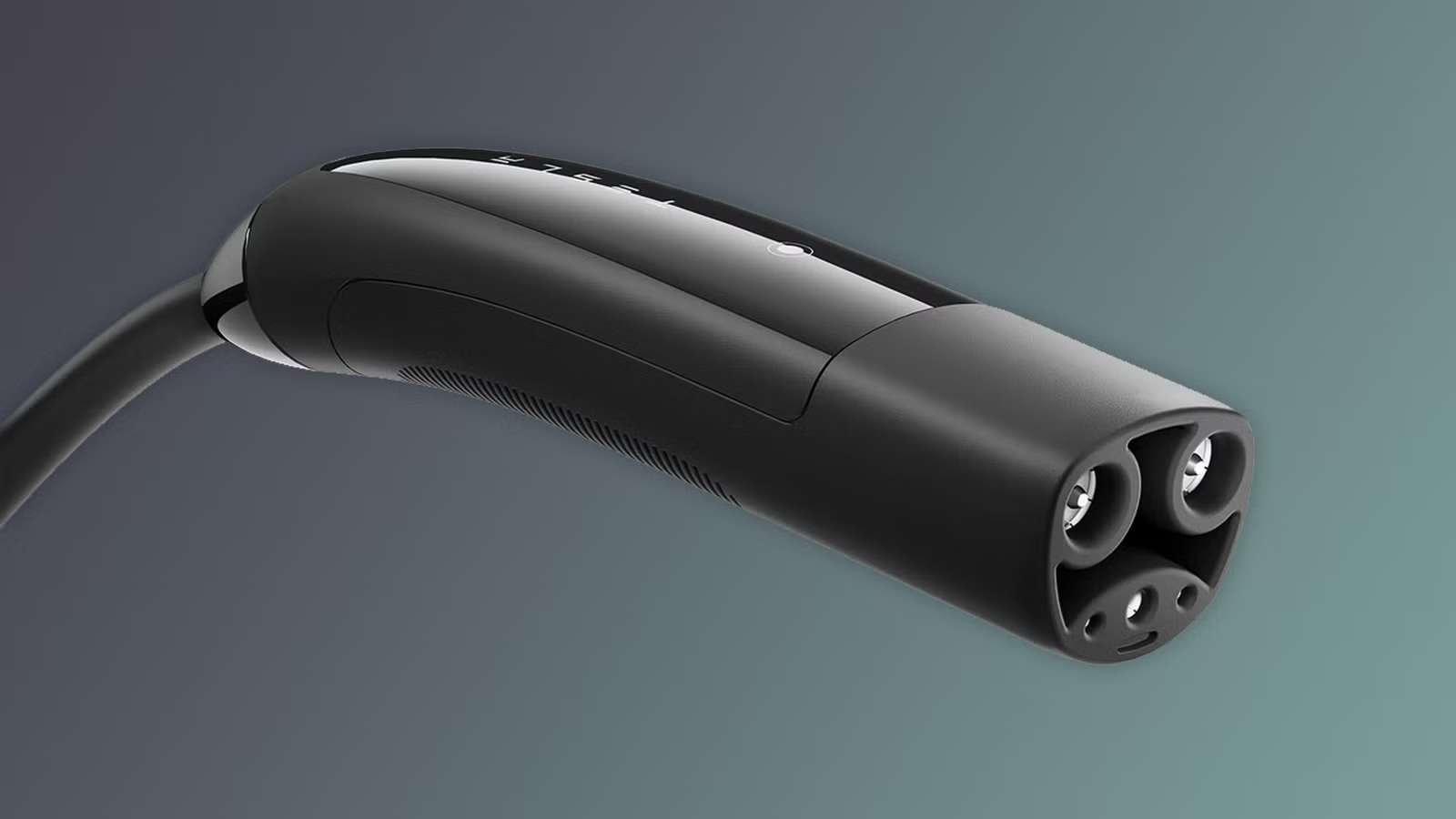
Exploring the North American Charging Standard (NACS): Injet New Energy’s Path Toward the Future
Introduction: The Connector War Is Nearing Its End Over the past decade, the North American EV charging industry has operated in a fragmented, multi-standard environment. CCS1, CHAdeMO, and Tesla’s proprietary connector evolved in parallel, creating a divided infrastru...Read more -
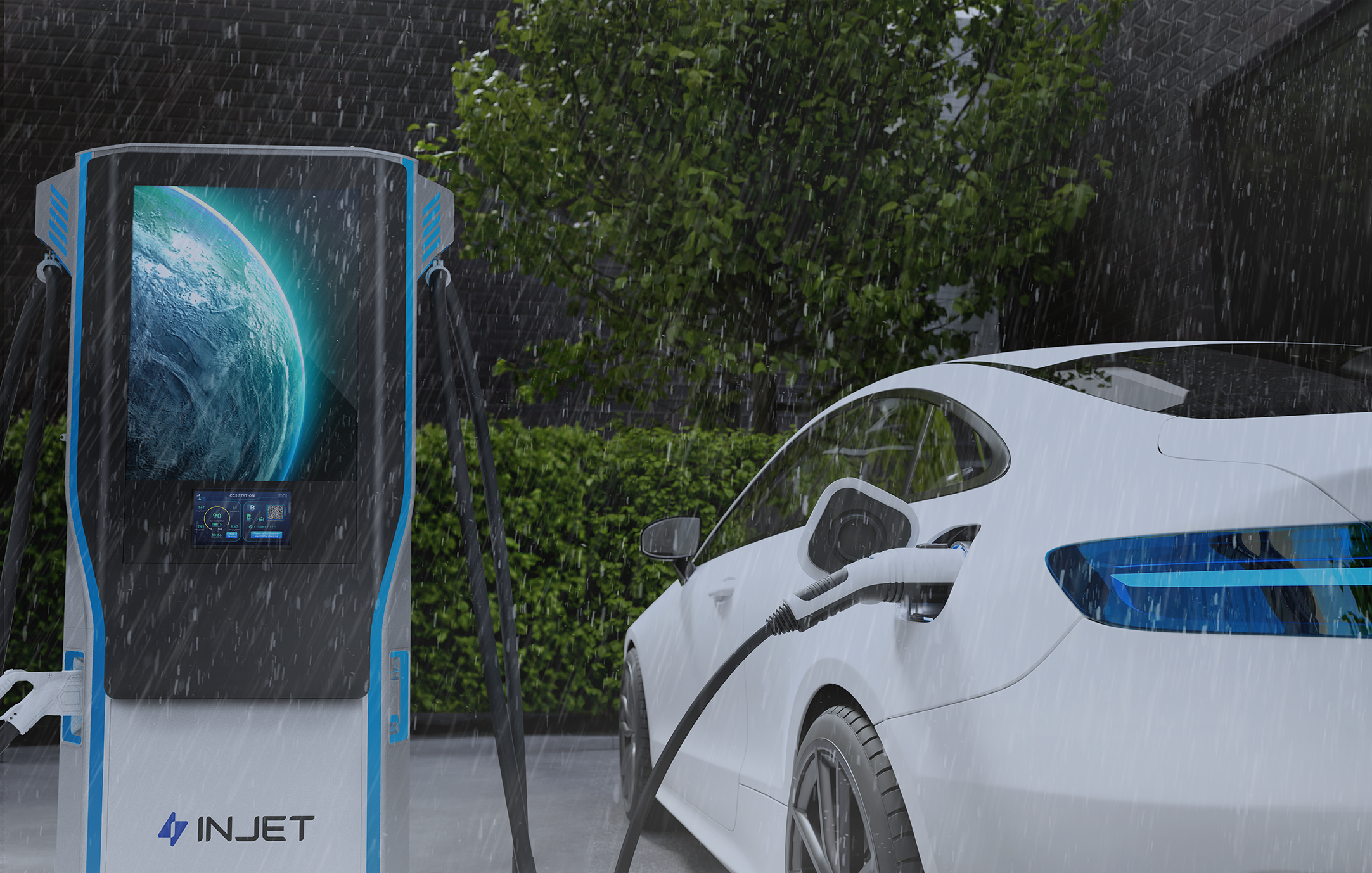
IP54 vs IP65? How to choose Ingress Protection of home ev charger?
IP54 vs IP65? How to choose Ingress Protection of home ev charger? What is IP ratings? IP ratings, or Ingress Protection ratings, serve as a measure of a device's resistance to the infiltration of external elements, including dust, dirt, and moisture. Developed by ...Read more