



BLOGS
-
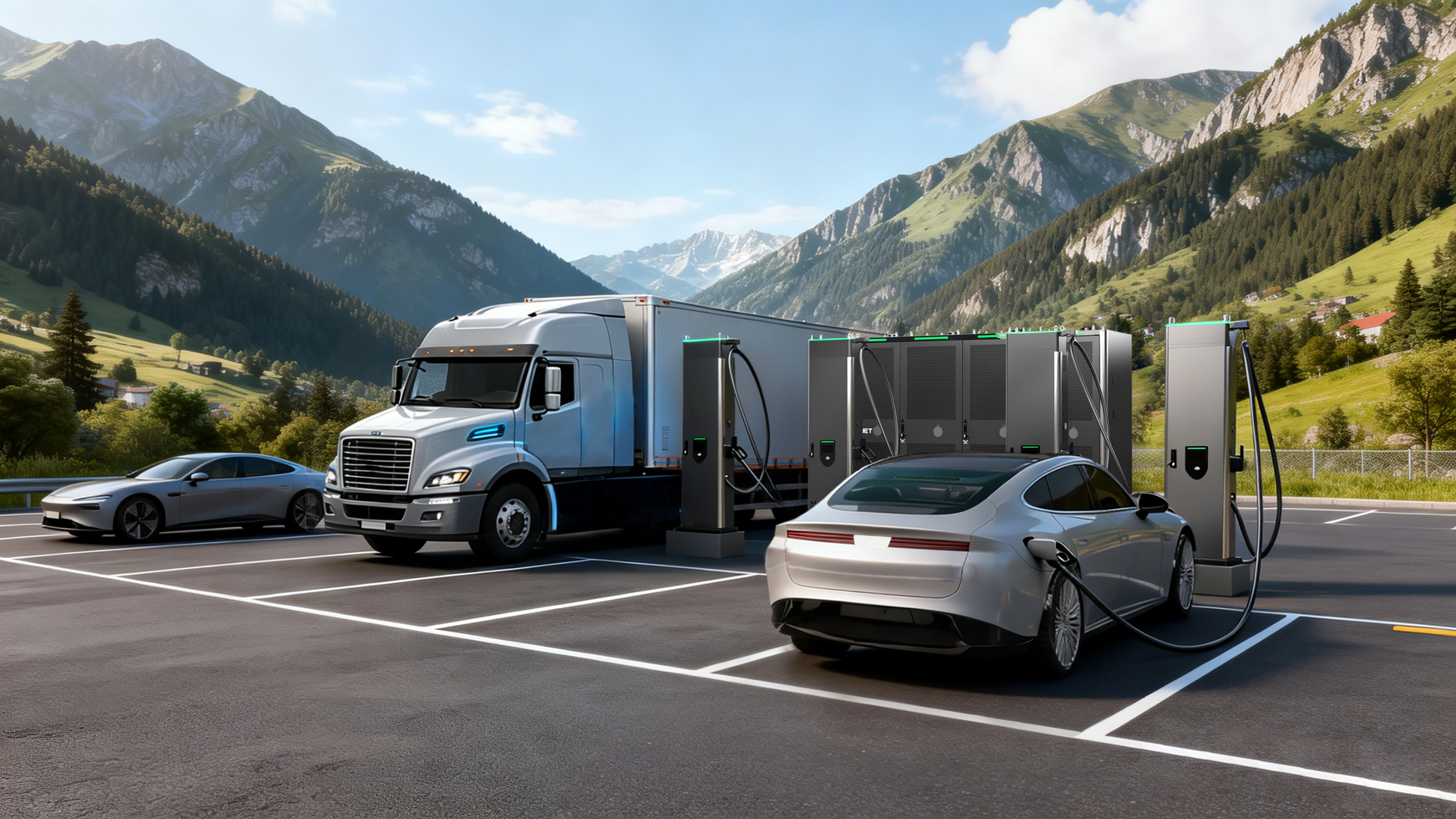
Adding Electric Vehicles to an Existing Depot: When Should You Reassess Charging Capacity?
A depot that charges six electric trucks today may not be ready to charge ten tomorrow, even if the maths look straightforward at first. Fleet managers who have moved through the early stages of electrification often discover that a second expansion is harder to size than the first. Variables tha...Read more -
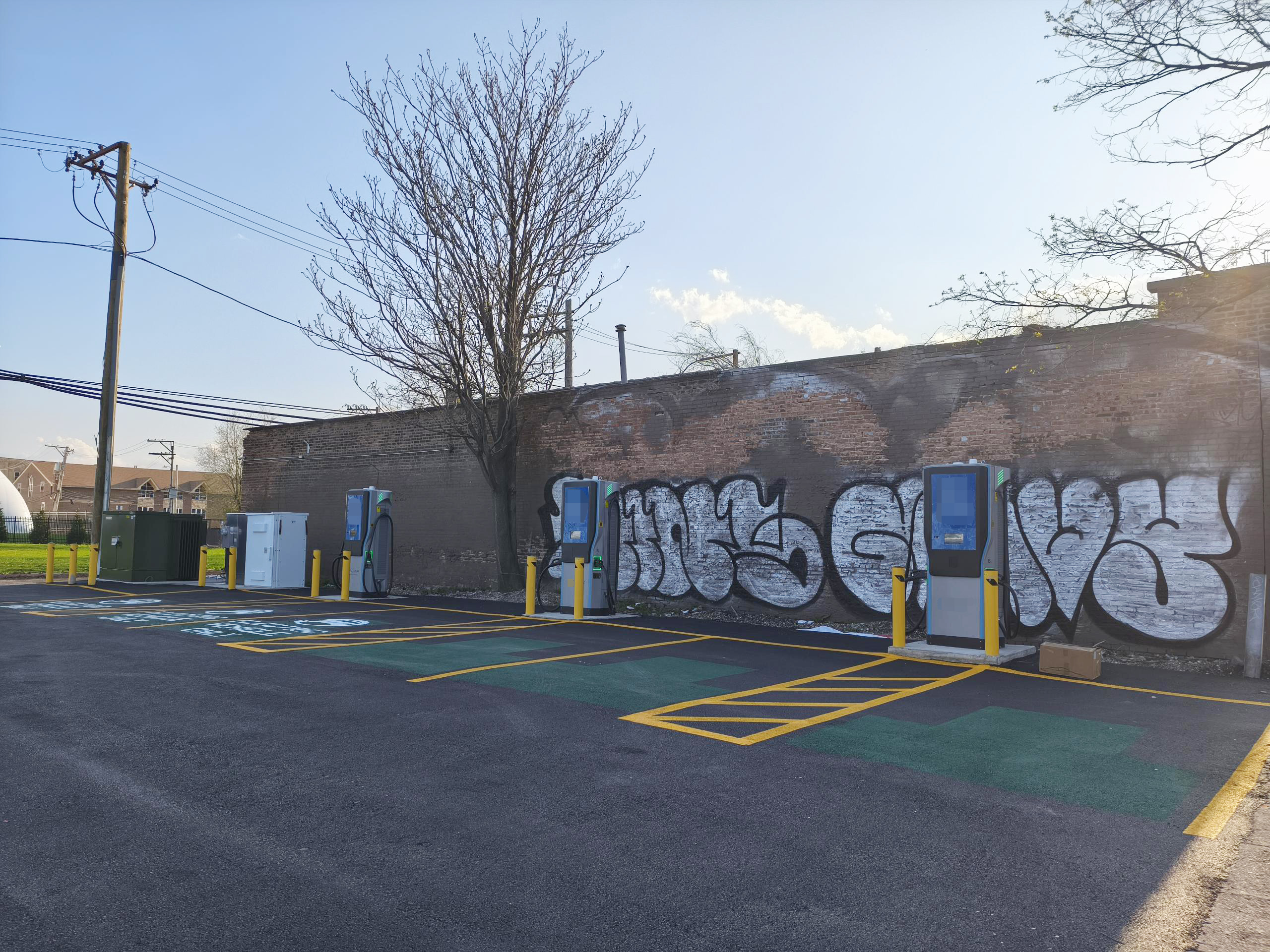
Europe’s Electric Truck Transition Needs a Charging Network That Can Scale
The fleet economics are shifting faster than the infrastructure A logistics operator running a 40-tonne truck on a 700km daily route between Munich and Hamburg consumes roughly 280 litres of diesel per round trip. At October 2024 diesel prices averaging €1.65/litre in Germany, that is €462 per da...Read more -

California DC Fast Charging Rebates Now Open: Up to $100,000 per Port for Public DCFC Projects
Fast Charge California Project Window 2, also known as FCCP-2, is now open. As of October 7, 2026 at 9:00 a.m. PT, CALeVIP is accepting applications for statewide DC fast charging incentives across California. For eligible public DCFC installations delivering 275 kW or more of guaranteed output p...Read more -
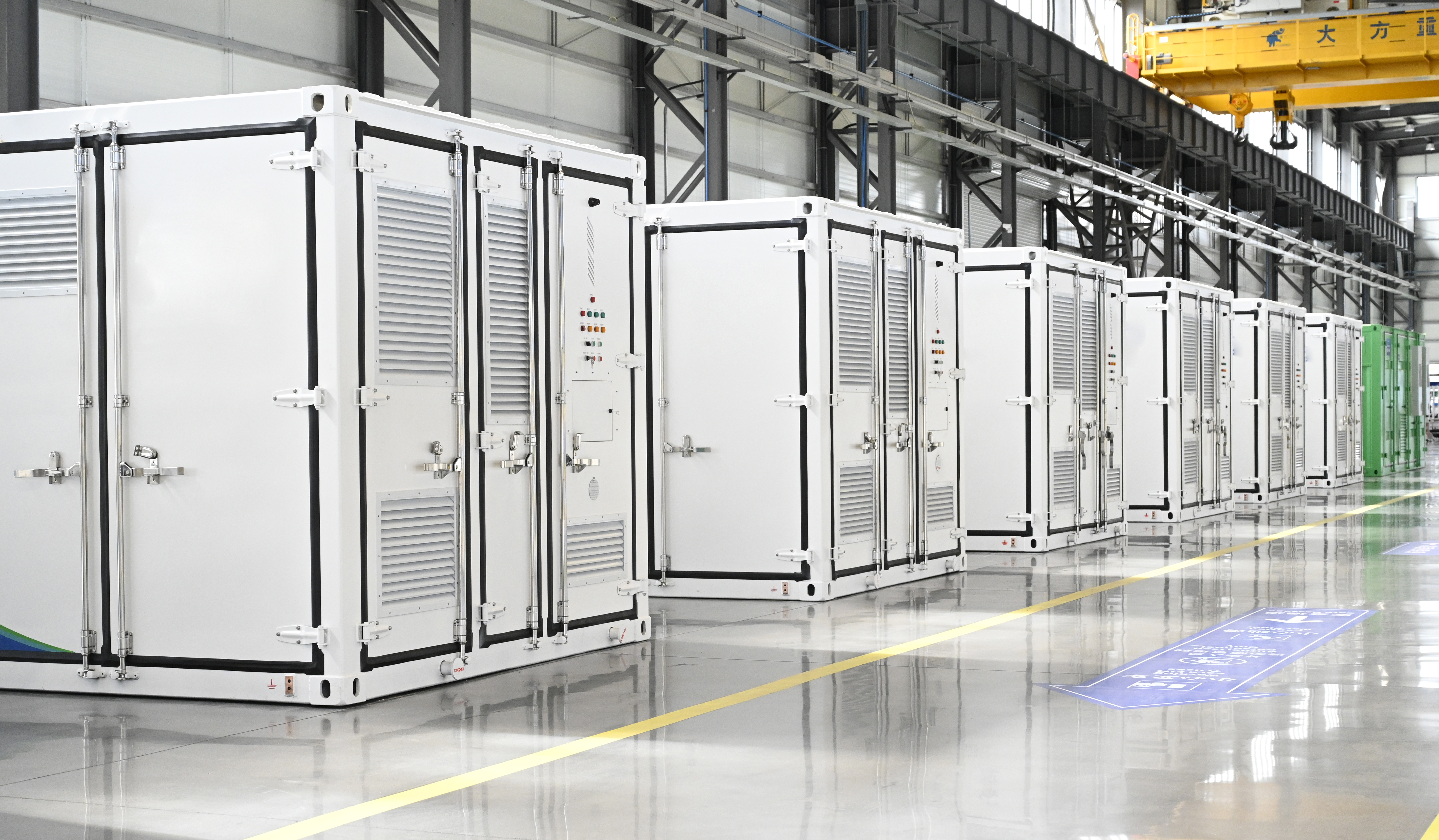
From Charging Site to Energy Node: Why Storage Is Becoming the Core Asset
At noon, the solar panels are producing more electricity than the vehicles on site currently need. By early evening, that balance has flipped. Solar output is falling, several vehicles arrive at once, and the site is drawing far more power than it was a few hours earlier. The chargers have not ch...Read more -
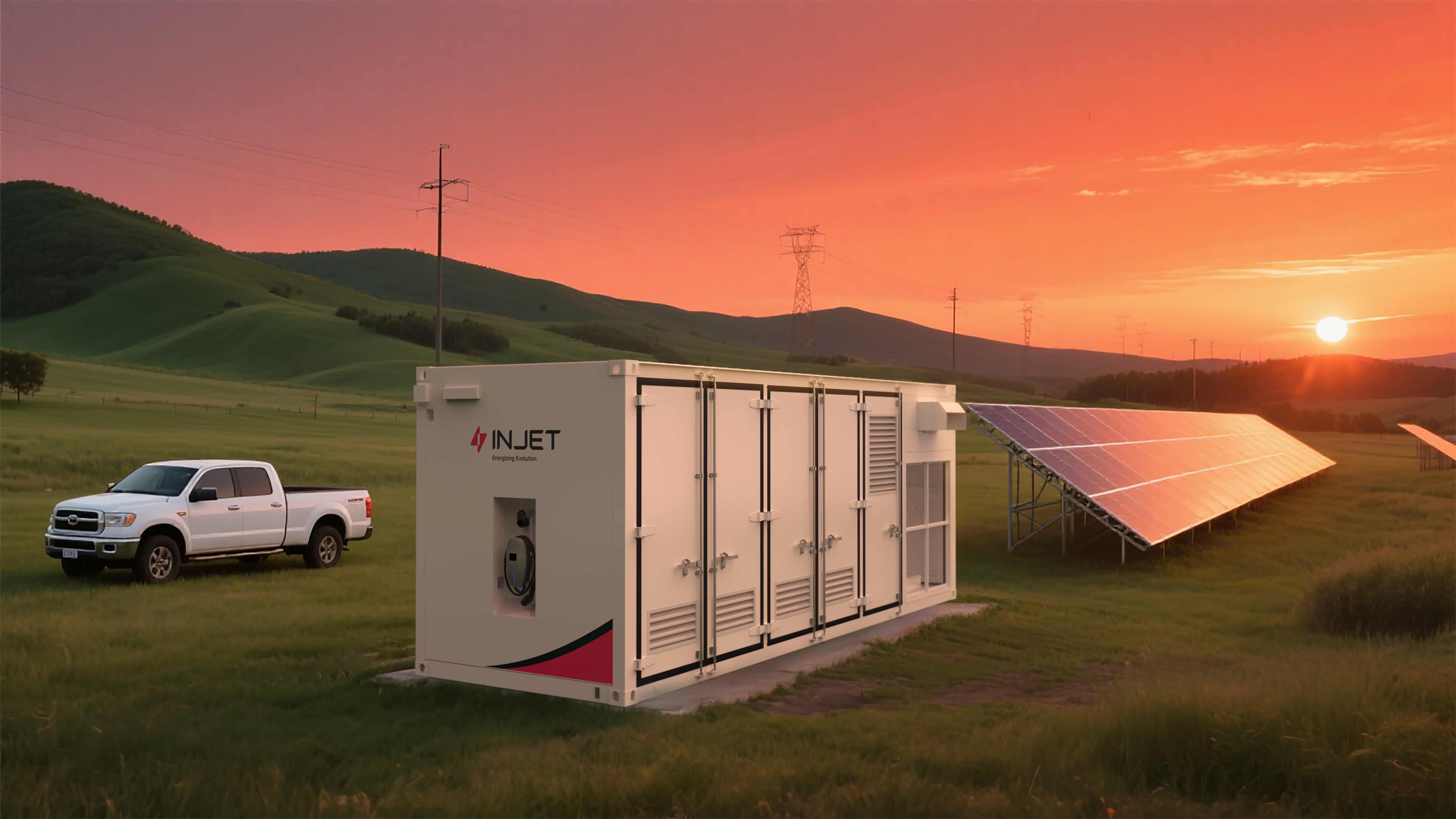
The Charger Is Cheaper. Why Is the Charging Station Still More Expensive?
The procurement team expected good news. The revised quotation showed a lower price per charger than the previous round. Instead, the project meeting turned into a difficult conversation. The total project budget had increased. When the team reviewed the line items, the explanation became clear. ...Read more -
When EV Fleets Cannot Wait for Grid Connection
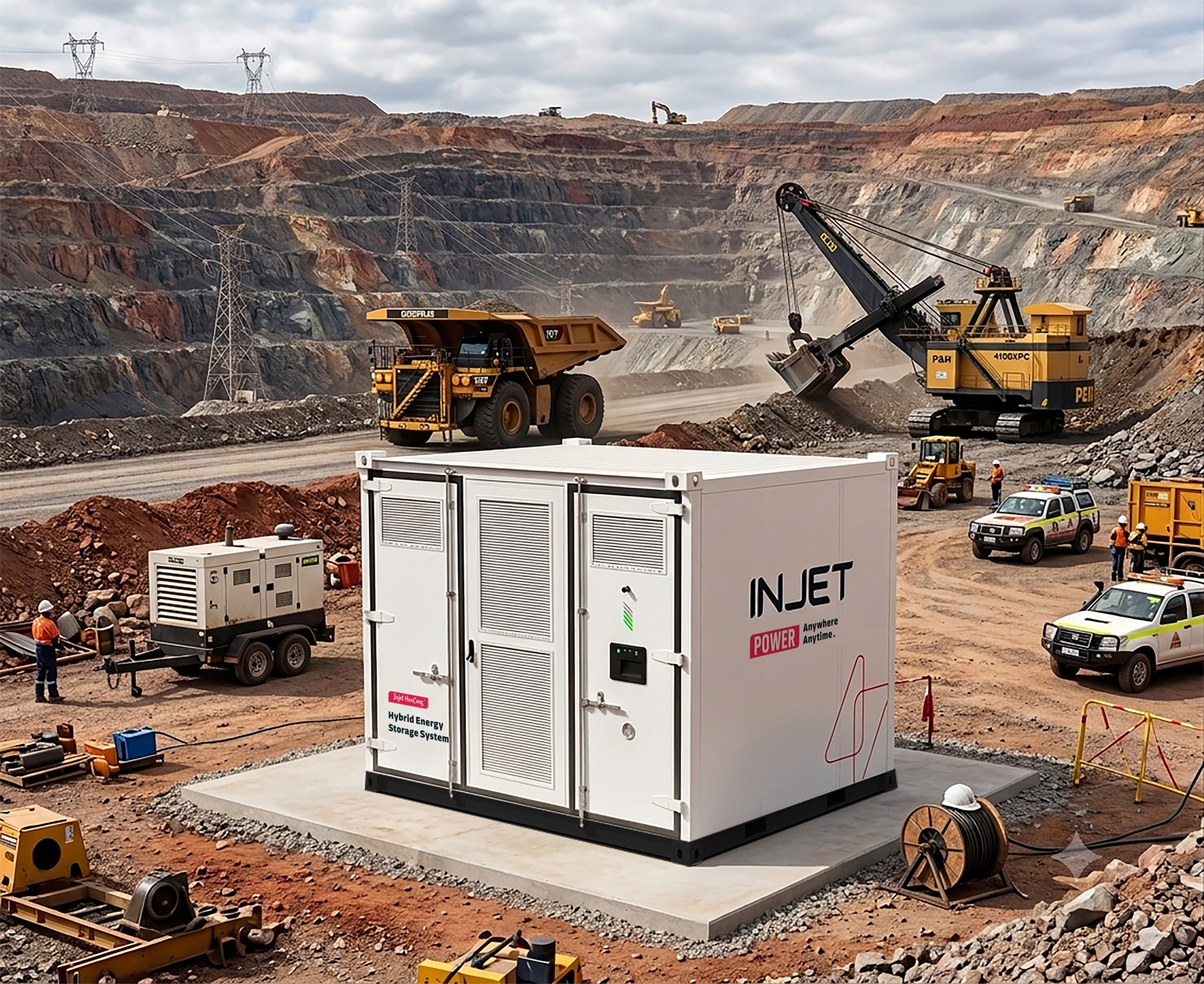
How hybrid energy systems can bridge the grid access gap for fleet charging When the Fleet Arrives Before the Grid An electric construction fleet is scheduled to begin work next week. The site is outside the city. An application for permanent grid connection has already been submitted, but approv...Read more -
Why a 480 kW EV Charger Does Not Always Deliver 480 kW
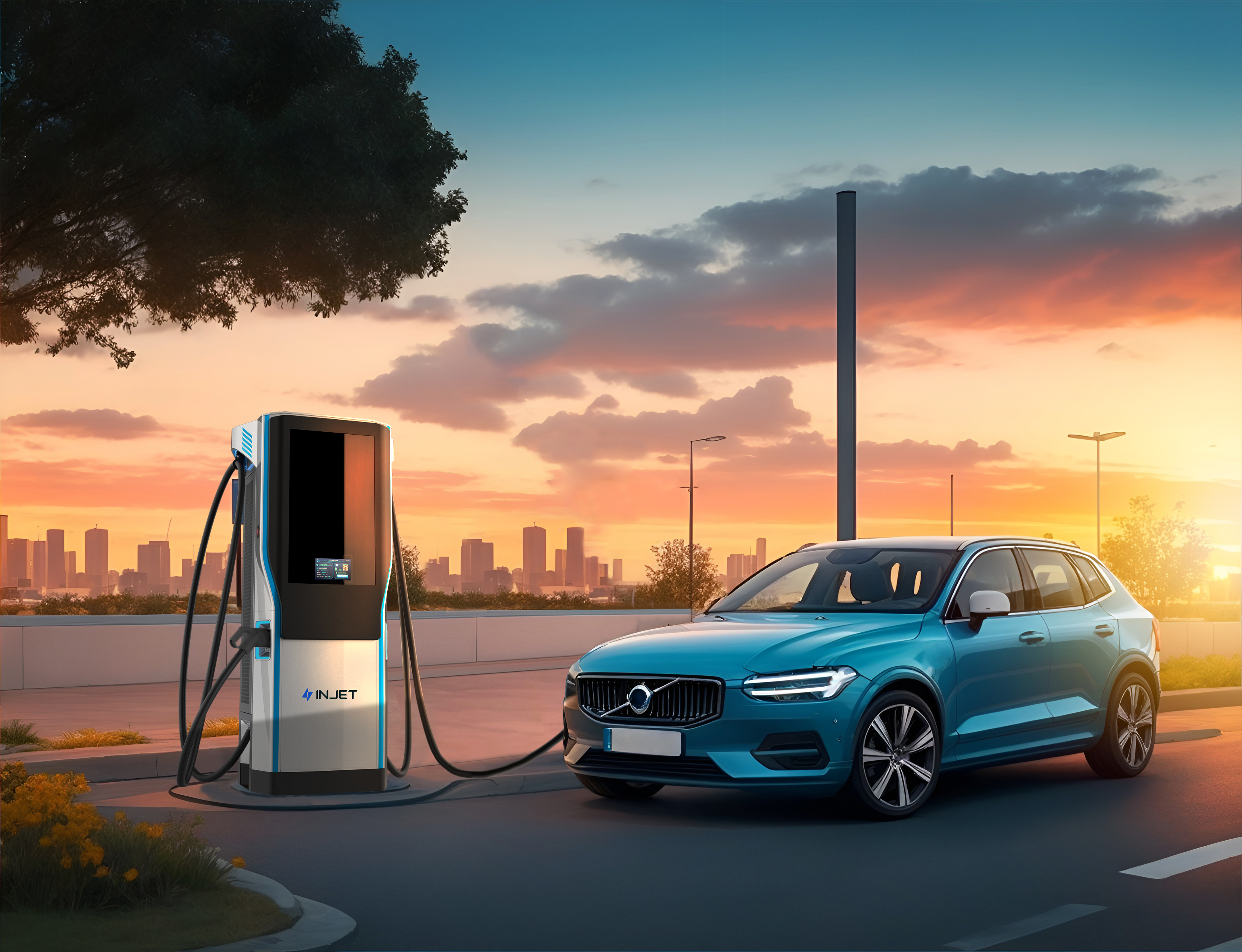
Why a 480 kW EV Charger Does Not Always Deliver 480 kW Imagine a vehicle advertised with a peak charging power of 480 kW pulling into a station equipped with a 480 kW DC fast charger. The two numbers match perfectly. Should the charging screen immediately show 4...Read more -

Why the Most Interesting EV Charging Awards of 2026 Were Not About Charging Faster
Why the Most Interesting EV Charging Awards of 2026 Were Not About Charging Faster If you were asked to predict the most celebrated EV charging technologies of 2026, the obvious answers would probably involve a larger power cabinet, a thicker cable or another recor...Read more -
EV Charging Cybersecurity: Why Would Anyone Hack a Charger With No Cash Inside?
EV Charging Cybersecurity: Why Would Anyone Hack a Charger With No Cash Inside? An EV charger does not hold banknotes, expensive cargo or anything that looks like a conventional target for theft. So why would anyone try to hack it? Because a modern charger is no longer an isolated electrical dev...Read more
